
If you need to set up direct deposit, automatic bill pay, or an electronic transfer, you may be asked for a voided check. The good news is that learning how to write a voided check is simple. You are not creating a payment; you are marking a check so it cannot be used to withdraw money.
In most cases, you only need a blank check from your checkbook, a pen, and a clear “VOID” mark across the front. Done correctly, the check can still show your bank details while making it unusable for payment. Here is a step-by-step guide, plus helpful tips and common mistakes to avoid.
How To Write A Voided Check
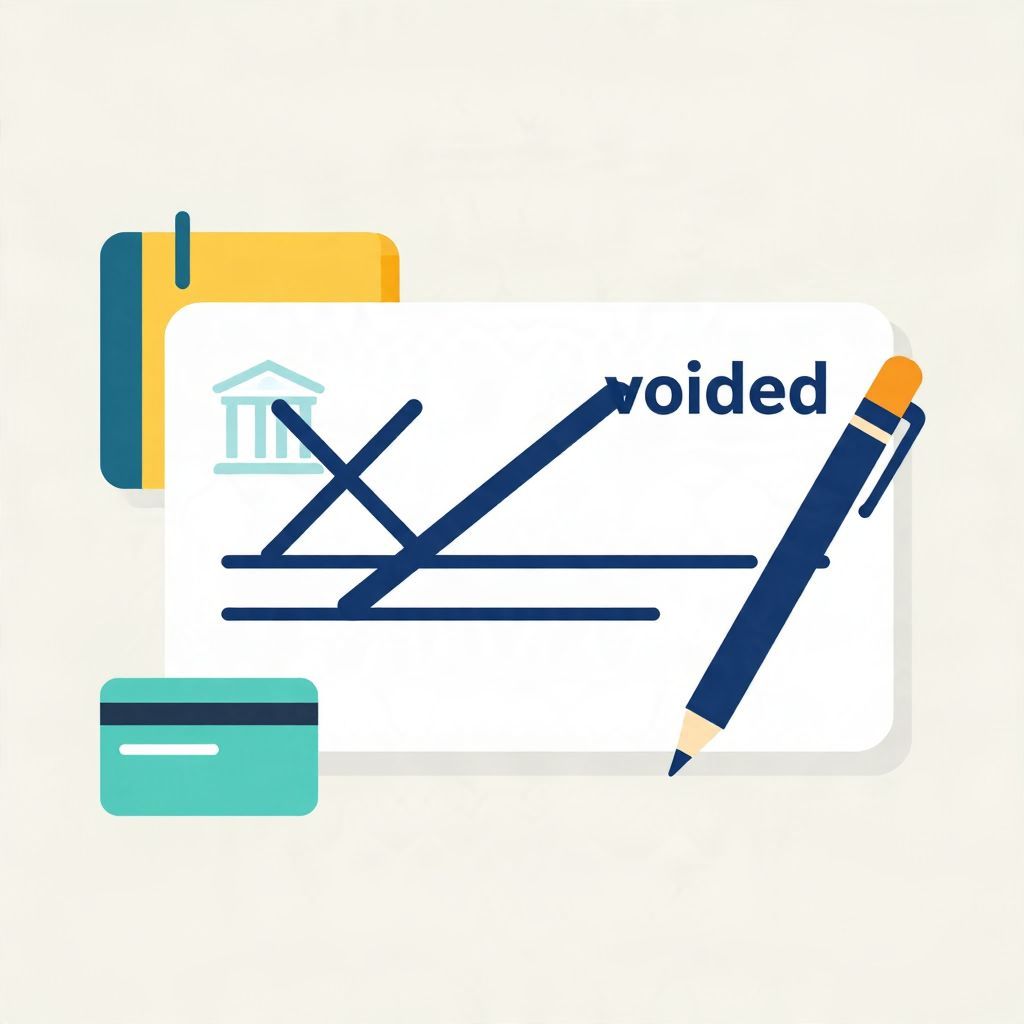
To write a voided check, take a blank check from your checkbook and write VOID in large letters across the front, covering the payee line, amount box, signature line, and memo area. Do not sign or fill in any payment details. The routing and account numbers should remain visible so the check can be used only for account verification.
What a voided check is used for
A voided check is usually requested when someone needs your bank account information for an electronic transaction. It helps the other party confirm the routing and account numbers printed on the check without allowing the check to be cashed or deposited.
Common reasons you may need one
- Setting up direct deposit from an employer
- Arranging automatic bill payments
- Linking a bank account for transfers
- Providing account details to a landlord, lender, or payroll department
In some cases, a company may accept a bank letter, a deposit slip, or online account verification instead. Requirements vary by institution and country, so if you are unsure, ask what alternatives are accepted.
Step-by-step: how to void a check properly
1. Choose a blank check
Use an unused check from your checkbook. A personal check is most common, but the same idea applies to business checks if your bank or employer requests one.
2. Write “VOID” clearly across the front
Use a pen or marker and write VOID in large, bold letters across the face of the check. Make sure the word is easy to read and difficult to remove. The goal is to show that the check cannot be used as a payment instrument.
3. Cover the important payment fields
Place the word VOID across the areas where someone would normally write a payee name, amount, signature, and memo. You still want the bank routing number and account number to remain visible, since those are the details needed for setup.
4. Do not sign the check
Leaving the signature line blank is important. A signature can make the check look usable, even if it is marked void. If you are preparing the check for a third party, keep it unsigned.
5. Double-check the details
Before handing it over, confirm that the routing number and account number are readable and that the word VOID is prominent. If the check is smudged, partially covered, or easy to alter, use a different blank check.
What information a voided check shows
A voided check typically displays the same banking information that appears on a normal check, including:
- Your bank’s routing number
- Your account number
- Sometimes your name and address
- Check number, depending on the format
These details help the recipient verify where funds should be sent. They do not give someone permission to withdraw money unless the check is altered or misused. Still, treat a voided check like sensitive financial information.
Important safety tips
Protect your banking information
Even though a voided check cannot be used as a normal payment, it still contains account details. Share it only with a trusted employer, bank, landlord, or service provider that genuinely needs it.
Use permanent ink
Write VOID in ink that is hard to erase. Pencil or faint writing may not be sufficient. The more obvious the void mark, the better.
Do not give away a stack of checks
Only provide one voided check unless the recipient specifically asks for more. If a company requests multiple checks, ask why and whether a different verification method is available.
Consider alternatives if you do not want to share a check
Some banks and employers may accept direct deposit forms, account verification letters, or secure online portals. These options may reduce the need to hand over a physical check.
Common mistakes to avoid
- Writing VOID too small — the mark should be obvious and cover the check face.
- Signing the check — an unsigned voided check is safer and clearer.
- Covering the routing or account number — those numbers are usually the reason the check is requested.
- Using a deposit slip instead of a check — some institutions accept it, but not all do.
- Sending a photo without permission — digital sharing may be convenient, but only do it through a secure, approved method.
Can you void a check after writing on it?
Yes, if you accidentally fill out a check and then decide not to use it, you can void it by writing VOID across the front. However, if the check was already signed, dated, or partially completed, it is better to void it completely and keep it for your records or destroy it securely if your bank recommends that approach.
What if you do not have checks?
Not everyone uses paper checks anymore. If your account does not include checks, you may still be able to provide bank account information in another way. Common alternatives include:
- A direct deposit authorization form from your employer or bank
- A bank letter confirming your account details
- An official deposit slip, if accepted
- Secure account verification through your bank’s online system
If you are asked for a voided check but do not have one, contact the requesting party and ask what substitute documents they accept. Policies differ by organization and location.
How to know whether a voided check is enough
A voided check is usually enough for basic account setup, but not always. Some organizations may want additional verification, such as a government-issued ID, a signed authorization form, or proof that the account is in your name. The exact requirements depend on the institution and the purpose of the request.
Questions to ask before sending one
- Is a voided check required, or is another document acceptable?
- Should I send a physical copy, scan, or photo?
- Do you need both the routing and account numbers?
- Are there any security guidelines for submitting it?
Example of a properly voided check
Imagine a check with your name and address printed at the top, the routing number along the bottom left, and the account number along the bottom center. To void it, you would write VOID diagonally or horizontally across the front so it crosses the payee line, amount box, and signature area. The bank numbers remain visible, but the check cannot be used to pay anyone.
This is an illustrative example only. The exact layout of checks can vary by bank, but the basic method is the same.
Is a voided check the same as a canceled check?
No. A voided check is a blank check marked unusable before it is paid. A canceled check is one that has already been processed by the bank. They are different documents and serve different purposes.
Bottom line
Learning how to write a voided check is straightforward: take a blank check, write VOID clearly across the front, do not sign it, and keep the routing and account numbers visible. Use it only when a trusted organization needs your bank details for direct deposit or automatic payments. If you want more help with check details, you may also find which number on a check is the routing number and how to mail a check safely useful.