
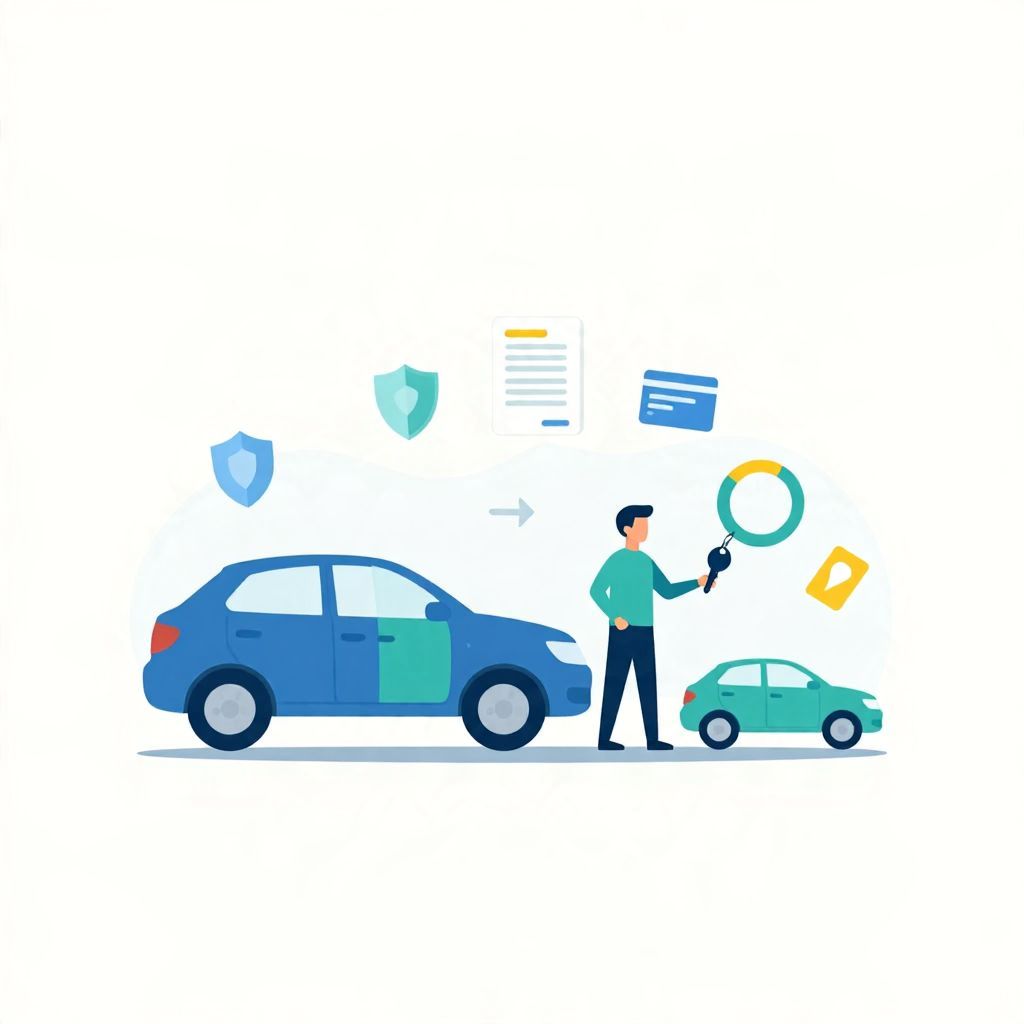
If you borrow a car, lend your car to someone else, or get into an accident while driving a vehicle you do not own, one of the first questions is: does insurance follow the car or the driver? The short answer is that it usually follows the car first, but the exact outcome depends on the policy language, who is driving, and where the accident happens.
That means the vehicle owner’s insurance often pays before the driver’s insurance, but there are important exceptions. Coverage can vary by country, state, insurer, and whether the driver had permission to use the car.
Does Insurance Follow The Car Or The Driver?
In most cases, auto insurance follows the car, not the driver. If someone drives your insured vehicle with permission, your policy is usually the primary coverage for damage or liability. However, the driver’s own policy may also apply as secondary coverage, and some situations may be excluded or limited by the policy terms.
How Auto Insurance Usually Works
Auto insurance is generally written around the vehicle and the named policyholder, not around every person who might drive. That is why the car owner’s policy is often the first policy reviewed after an accident. If the driver is allowed to use the car, the owner’s liability, collision, or comprehensive coverage may respond depending on what happened.
Primary coverage vs. secondary coverage
- Primary coverage is the policy that pays first.
- Secondary coverage may help after primary limits are used up or if the primary policy does not fully cover the loss.
- In many situations, the car owner’s insurance is primary and the driver’s insurance is secondary.
This is why lending your car to a friend can still affect your insurance record if they cause an accident. The claim may be filed under your policy because the vehicle is covered by your insurance contract.
When the Driver’s Insurance Matters
Even though the car’s policy is usually primary, the driver’s own insurance can still matter in several situations. It may help if the car owner’s limits are too low, if the owner is uninsured, or if the driver has coverage that applies to non-owned vehicles under the policy terms.
Common situations where the driver’s policy may apply
- The driver has permissive use and the owner’s policy has already paid its limit.
- The driver is operating a rental car or a borrowed car and their policy includes non-owned auto coverage.
- The owner’s policy excludes the driver or the situation.
- The accident involves injuries or damages above the owner’s liability limits.
Some policies also include “excess” coverage for drivers using a vehicle they do not own. The details can be very different from one insurer to another, so the policy wording matters more than a general rule.
What Is Permissive Use?
Permissive use means the vehicle owner gave the driver permission to use the car. In many places, a permissive driver is covered under the owner’s policy, at least up to certain limits. This is one of the biggest reasons insurance is often said to follow the car.
Examples of permissive use
- You let a friend borrow your car to run errands.
- A family member uses your car with your approval.
- A coworker drives your vehicle because you asked them to.
Permission can be explicit or implied, but not every insurer treats these situations the same way. If a person regularly uses the vehicle, the insurer may expect them to be listed on the policy. If they are not, coverage disputes can happen.
When Insurance May Not Follow the Car
There are important exceptions. Insurance may not fully follow the car if the driver was not permitted to use it, if they were excluded from the policy, or if the vehicle was being used for a purpose the policy does not cover. In those cases, the driver may be personally responsible for some or all of the loss.
Examples of possible exclusions or problems
- Unauthorized use: someone takes the car without permission.
- Excluded driver: the policy specifically names a person who is not covered.
- Commercial use: the car is used for business or delivery work not covered by a personal policy.
- Policy violations: the driver was using the car in a way that breaks policy terms or local law.
If the driver is excluded or unauthorized, the insurer may deny the claim or limit payment. The exact result depends on the policy and the laws in the relevant jurisdiction.
What Happens After an Accident in Someone Else’s Car?
If you crash a borrowed car, the owner’s insurance is often the first policy examined. If the owner’s policy covers permissive drivers, it may pay for the damages up to its limits. If the loss is larger than the policy limit, your own auto policy may help next, depending on the coverage you carry.
Simple example
Suppose a borrowed car causes $30,000 in damage and the owner’s liability limit is $25,000. In a simplified example, the owner’s policy might pay $25,000 first. The remaining $5,000 could then become the responsibility of the driver, their own insurer, or both, depending on the policy terms and local law.
This is only an illustration. Real claims can also involve deductibles, injury claims, multiple vehicles, and legal disputes over fault.
What If Someone Else Crashes Your Car?
If a friend or family member crashes your car with permission, your insurance usually comes into play because the vehicle is insured under your policy. That can mean a claim against your policy, possible premium increases, and potentially a deductible if you have collision or comprehensive coverage.
Things to consider as the car owner
- Your liability coverage may respond if the driver injures someone or damages property.
- Your collision coverage may help repair your car after a crash, minus the deductible.
- Your premium may rise after a claim, depending on your insurer and claims history.
- If the driver was not allowed to use the car, coverage may be disputed.
Because the claim is tied to your policy, lending your car is never risk-free. Even if the driver was at fault, the accident can still affect your insurance record.
Does Insurance Follow the Driver in Rental Cars?
Rental cars are a special case. In many situations, the driver’s personal auto insurance may extend to a rental vehicle, but only if the policy includes rental or non-owned vehicle coverage. Some credit cards or rental agreements may also offer limited protection, but the terms can vary widely and may involve exclusions.
Important rental car questions
- Does your personal auto policy cover rentals?
- Does the rental company require you to buy its coverage?
- Are you traveling in a country where your home policy does not apply?
- Does the rental include liability, collision, or theft protection?
Rental coverage can be especially confusing because multiple policies may overlap, or none may apply fully. Always check the policy terms before assuming you are protected.
How Different Types of Coverage Affect the Answer
Whether insurance follows the car or the driver also depends on the type of coverage involved. Liability, collision, comprehensive, and medical coverage can all work differently.
Liability coverage
Liability insurance usually follows the car first when the driver has permission. It helps pay for injuries or property damage the driver causes to other people, subject to policy limits.
Collision coverage
Collision coverage generally helps pay for damage to the insured vehicle after a crash, regardless of who was driving, as long as the loss is covered and the deductible is met.
Comprehensive coverage
Comprehensive insurance may cover non-collision losses such as theft, fire, vandalism, or weather damage. It is usually tied to the vehicle rather than the driver.
Medical payments or personal injury protection
These coverages can vary by location. They may apply to the policyholder, passengers, or others depending on the policy and local rules. In some places, these benefits are more closely tied to the person than the car.
Why Policy Language Matters So Much
Auto insurance contracts are detailed legal agreements. Two policies that look similar on the surface may treat borrowed cars, permissive drivers, household members, and excluded drivers very differently. That is why the safest answer is not just “the car” or “the driver,” but “it depends on the policy wording.”
Read these parts of the policy
- Who is covered as a driver
- What counts as a covered vehicle
- Rules for permissive use
- Exclusions and limitations
- Coverage for non-owned or rental vehicles
If you are unsure, ask the insurer or review the declarations page and policy booklet. If a claim is already involved, document the facts carefully and avoid guessing about coverage.
Practical Tips Before Lending or Borrowing a Car
Because insurance can follow the car first, borrowing and lending vehicles should be done carefully. A few simple steps can reduce confusion and financial risk.
- Confirm the driver has permission to use the car.
- Check whether the driver is listed or excluded on the policy.
- Review liability limits and deductibles before handing over the keys.
- Ask whether the policy covers occasional drivers or only household members.
- For rentals, verify what your personal policy and any travel coverage actually include.
These steps do not guarantee a claim will be paid, but they can help you avoid preventable coverage surprises.
The Bottom Line
So, does insurance follow the car or the driver? In most everyday situations, it follows the car first, especially when the driver has permission. But the driver’s own policy, the type of coverage, and the exact policy exclusions can all change the result. Always check the policy terms before assuming you are protected.
If you want to understand the longer-term impact of a claim, you may also find how long an accident stays on your insurance and how insurance increases after an accident helpful for next steps.