
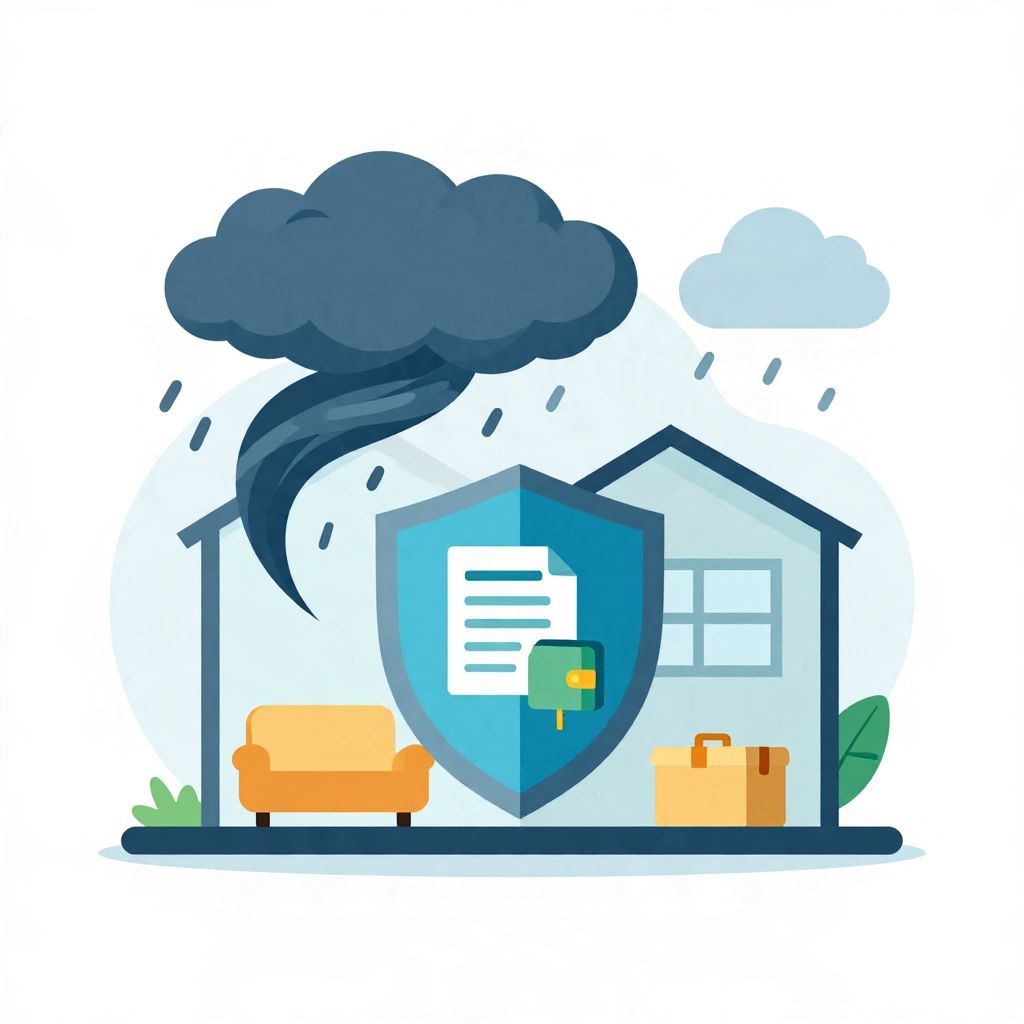
If you’re asking, “Does renters insurance cover hurricanes?” the short answer is: sometimes, but not always for every type of hurricane damage. A typical renters policy may help with wind-driven damage to your belongings, but it usually does not cover flood damage from storm surge or rising water.
The exact protection depends on your policy, your deductible, and where you live. Because hurricane rules and endorsements vary by insurer and location, it’s important to check your declarations page and exclusions before a storm hits.
Does renters insurance cover hurricanes?
Yes, renters insurance can cover some hurricane-related losses, especially wind damage to your personal property, but it usually does not cover flooding caused by storm surge, overflowing water, or other flood events. Coverage also depends on policy exclusions, deductibles, and any special hurricane rules in your state or country.
What renters insurance usually covers during a hurricane
Most standard renters policies are designed to protect your personal belongings and liability, not the building itself. If a hurricane damages your items, your policy may help pay to repair or replace covered property after you meet your deductible.
Common covered losses
- Wind damage to furniture, clothing, electronics, and other personal property
- Damage from rain entering through a storm-damaged roof, wall, or window
- Additional living expenses if your rental becomes uninhabitable and your policy includes that coverage
- Liability claims if someone is injured in your rental and you are found responsible
For example, if hurricane winds break a window and rain ruins your mattress and laptop, your renters insurance may help cover those losses. If the same storm causes water to rise from outside and enter the home, that is usually treated differently.
What renters insurance usually does not cover
The biggest gap is flood damage. In insurance terms, flood is often defined as water that comes from outside the home and affects more than one area or property. That means storm surge, coastal flooding, overflowing rivers, and heavy rain runoff are commonly excluded from a standard renters policy.
Typical exclusions to watch for
- Flooding from storm surge or rising water
- Water entering through ground-level seepage or foundation leaks
- Damage from neglect, poor maintenance, or preventable leaks
- Losses from power outages unless they are specifically covered
- Some high-risk wind or named-storm deductibles, depending on the policy and location
Do not assume “hurricane” means “fully covered.” Insurers often separate wind damage from flood damage, even when both happen in the same storm.
Wind damage vs. flood damage: why the difference matters
This is the most important distinction to understand. A hurricane can bring both strong winds and flooding, but your policy may treat them as separate events. Wind damage is more likely to fall under renters insurance, while flood damage usually requires a separate flood policy or endorsement.
Simple example
- The hurricane tears shingles off the roof and rain ruins your couch: this may be covered if the damage is tied to the wind event.
- The storm surge pushes water into the apartment and damages your belongings: this is usually not covered by standard renters insurance.
If you live in a coastal, low-lying, or flood-prone area, this distinction can make a huge difference in how much financial loss you bear after a storm.
Does renters insurance cover temporary housing after a hurricane?
Sometimes. If your policy includes loss of use or additional living expenses, it may help pay for temporary housing, meals, and other extra costs when your rental becomes unlivable because of a covered loss. Whether that applies after a hurricane depends on the cause of damage and the terms of your policy.
What to confirm in your policy
- Whether loss of use is included
- What triggers that coverage
- How long the benefit lasts
- Whether there are dollar limits or daily limits
If flooding is the reason you have to leave, renters insurance may not pay for hotel costs unless the flood itself is covered by a separate policy. If wind damage makes the unit unsafe, temporary housing coverage is more likely to apply.
How deductibles affect hurricane claims
A deductible is the amount you pay out of pocket before insurance starts paying. If your deductible is high, a small hurricane claim may not be worth filing. This matters because renters insurance claims are usually for personal property, not the building, so the claim amount may be modest compared with the deductible.
Illustrative example
Suppose your deductible is $1,000 and a hurricane destroys $1,600 worth of covered belongings. In that case, your insurer might pay about $600, assuming the loss is covered and depreciation does not reduce the payout further. If the loss is only $800, you may receive nothing because the deductible is higher than the claim amount.
Some policies also use special hurricane or windstorm deductibles. These can be different from your regular deductible and are often based on a percentage of the insured value or a separate dollar amount. The exact structure varies by insurer and jurisdiction.
Replacement cost vs. actual cash value
Your payout may also depend on whether your policy pays replacement cost or actual cash value. This is a major factor in how much money you receive after hurricane damage.
Replacement cost
Replacement cost coverage generally pays what it would cost to buy a new item of similar kind and quality, up to your policy limit, without subtracting depreciation first.
Actual cash value
Actual cash value usually pays the item’s current value after depreciation. That means older belongings may be worth much less at claim time.
For example, a five-year-old television damaged in a hurricane might be reimbursed at a lower amount under actual cash value than under replacement cost. Check your policy wording so you know which method applies.
Do you need separate flood insurance?
If you want protection from storm surge or flooding, you may need a separate flood policy or another type of endorsement, depending on where you live and what insurers offer in your area. Renters insurance alone is usually not enough for flood risk.
When separate flood coverage is worth considering
- You live near the coast, a river, or a low-lying area
- Your building has a history of flooding
- You are in a region where hurricanes are common
- Your belongings would be expensive to replace out of pocket
Even if flood insurance is optional, the cost of replacing furniture, electronics, clothing, and household items after a flood can be far higher than many renters expect.
How to check your policy before hurricane season
The best time to review your coverage is before a storm is on the forecast. A few minutes spent reading your policy can prevent confusion later.
Checklist
- Read the exclusions section for flood, wind, and storm-related damage.
- Confirm your deductible and whether a hurricane deductible applies.
- Check your personal property limit and whether it is enough to replace your belongings.
- Review loss of use coverage if you may need temporary housing.
- Ask your insurer how claims are handled for named storms in your area.
If you are unsure how a clause applies, ask the insurer to explain it in writing. That can help avoid misunderstandings after a loss.
What to do if a hurricane damages your rental
After a hurricane, safety comes first. Once you are safe, document the damage and contact your insurer as soon as practical. Good records can make the claims process smoother.
Practical steps
- Take photos and videos of all damage before cleaning up
- Save receipts for emergency expenses and temporary housing
- Make a list of damaged items with approximate age and value
- Report the claim promptly
- Follow your insurer’s instructions about repairs and documentation
Do not throw away damaged items until your insurer tells you it is okay, unless they are a safety hazard. If you must make emergency repairs to prevent further damage, keep receipts and notes.
How to reduce your financial risk
Renters insurance is only one part of hurricane preparedness. A few financial habits can reduce the chance of a major loss.
Ways to prepare
- Keep an updated home inventory with photos and serial numbers
- Store important documents in a waterproof and accessible place
- Build an emergency fund for deductibles and short-term expenses
- Review whether your belongings are insured for enough value
- Ask about flood coverage if you live in a high-risk area
These steps do not eliminate risk, but they can make recovery faster and less expensive if a storm hits.
The bottom line
Does renters insurance cover hurricanes? Often yes for wind-related damage to your belongings, but usually no for flood damage from storm surge or rising water. The exact answer depends on your policy, deductible, and location, so review your coverage before hurricane season and consider separate flood protection if needed. For more detail, see does renters insurance cover temporary housing and does renters insurance cover hurricanes.