
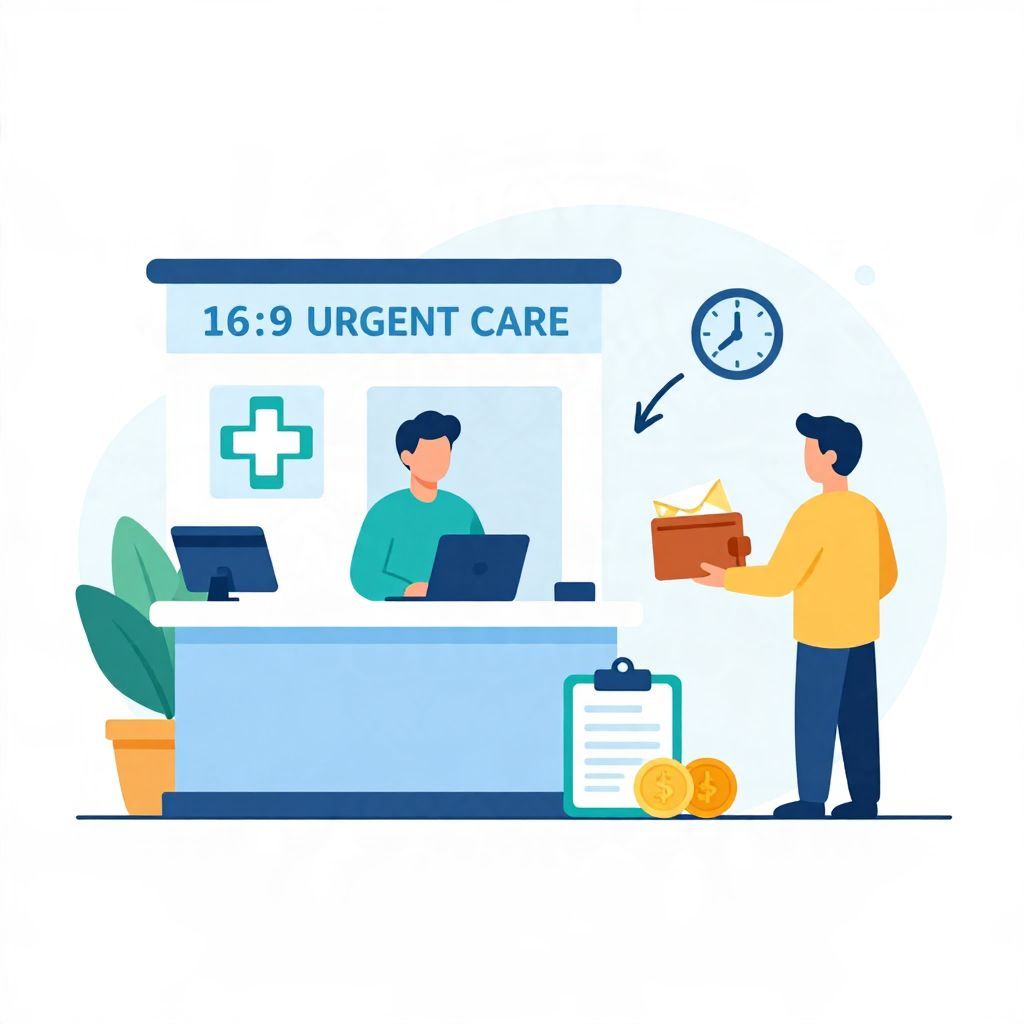
If you go to urgent care without insurance, you may still get a bill later. In many cases, the clinic will ask for payment at the visit or send a bill after it processes your charges. The exact timing depends on the clinic’s billing policy, whether you were asked to pay upfront, and whether any labs or outside services are billed separately.
The good news is that an urgent care visit is usually more predictable than an emergency room bill, but it can still be expensive. Knowing how billing works can help you avoid surprises, ask the right questions, and plan for the cost before or after your visit.
Does urgent care bill you later without insurance?
Yes, urgent care can bill you later without insurance, but not always. Some centers require payment at check-in or check-out, while others send a bill after the visit. You may also receive separate charges for tests, X-rays, or services from outside providers, even if you paid the clinic itself on the day of service.
How urgent care billing usually works
Urgent care centers are often set up to collect payment in one of a few ways. The process can vary by location, ownership, and whether the clinic uses in-house billing or an outside billing company.
1. Pay at the visit
Many urgent care clinics ask uninsured patients to pay the full estimated amount before leaving. This may include the office visit, basic exam, and sometimes common add-on services.
2. Get a bill later
Some clinics do not know the final amount right away. If charges need to be reviewed, coded, or sent through a billing system, you may receive a statement later by mail or email.
3. Split billing
You might pay the clinic at the visit and still get separate bills later for lab work, imaging, or a physician group that interpreted results. This is one of the most common sources of confusion for uninsured patients.
Why the final bill can be higher than expected
Urgent care pricing is not always a single flat fee. The total can rise if the visit becomes more complex than expected or if extra services are needed.
- Exam level: A simple visit may cost less than a visit that requires more time or medical decision-making.
- Tests: Strep tests, flu tests, urine tests, blood work, and pregnancy tests may add to the bill.
- Imaging: X-rays or other scans can increase the cost significantly.
- Procedures: Splinting, wound care, stitches, or medication injections may be billed separately.
- Outside billing: A lab or radiology provider may send its own bill later.
If you are uninsured, it is especially important to ask whether the quoted price includes everything or only the basic visit.
What to ask before you are seen
If you have time, ask a few billing questions before you agree to treatment. Even if the staff cannot give an exact final amount, they may be able to explain the usual charges.
- What is the self-pay price for the visit?
- Does that price include the doctor or clinician fee?
- Are common tests included, or billed separately?
- Will I receive separate bills from labs or imaging providers?
- Do you offer a cash-pay discount?
- Can I set up a payment plan if needed?
Getting answers in advance can help you budget and reduce the chance of surprise debt.
What happens if you cannot pay right away?
If you cannot pay the full amount at the visit, do not ignore the bill. Contact the urgent care billing office as soon as possible. Many providers are more willing to work with you before the account is sent to collections.
Possible options
- Payment plan: You may be allowed to pay over time in monthly installments.
- Self-pay discount: Some clinics reduce the price for uninsured patients who pay promptly.
- Financial assistance: A few clinics or health systems have hardship programs, though eligibility varies.
- Itemized bill review: You can ask for a detailed statement if something looks wrong.
Always get any payment arrangement in writing if possible. That helps you avoid misunderstandings later.
Can urgent care send unpaid bills to collections?
Yes, unpaid medical bills can sometimes be sent to collections if they remain unresolved. The timeline depends on the provider’s billing policy and local rules. Once a bill is in collections, it may become harder to negotiate, so it is better to respond early if you receive a statement you cannot pay.
If you believe a bill is incorrect, ask for an itemized copy and compare it with your visit summary. Billing mistakes do happen, especially when multiple services are involved.
How to reduce the cost of an urgent care visit without insurance
There are practical ways to lower what you pay, though none are guaranteed to work in every situation.
Use self-pay pricing
Ask for the uninsured or cash-pay rate. Some clinics charge less when they know you are paying without insurance.
Choose the right level of care
Urgent care is usually cheaper than an emergency room for non-life-threatening issues. But if your condition is severe, delaying care to save money can be risky and may cost more later.
Ask about bundled pricing
For minor problems, the clinic may offer a package price that includes the visit and common services. Make sure you understand what is and is not included.
Request generic medications
If the clinician prescribes medication, ask whether a generic option is available. This can lower your pharmacy cost even if the visit itself is still billed separately.
Compare nearby clinics if your condition is not urgent
For non-emergency issues, prices can differ from one urgent care center to another. A quick phone call may save money.
Urgent care versus emergency room: cost trade-offs
Urgent care is often the lower-cost choice for minor injuries and illnesses, but it is not appropriate for every situation. The cheapest option is not always the safest one.
- Urgent care: Often suitable for sprains, minor cuts, mild infections, and similar problems.
- Emergency room: Better for chest pain, trouble breathing, severe bleeding, stroke symptoms, or major injuries.
If you are unsure where to go, choose the setting that can safely treat your condition. Medical risk should come before cost when symptoms are serious.
Example of how a bill can add up
Here is a simple illustrative example. Suppose an uninsured patient visits urgent care for a sore throat and fever. The clinic charges for the office visit, a strep test, and a prescription review.
- Office visit: $X
- Strep test: $Y
- Additional service or facility charge: $Z
Total estimated bill = X + Y + Z
If the clinic later sends a separate bill for lab processing, the final amount could be higher. This is why asking what is included in the quoted price matters so much.
How to read an urgent care bill
Medical bills can be confusing, especially when you are uninsured. A few terms are worth checking carefully.
- Charge: The amount billed by the provider.
- Adjustment: A reduction or write-off, sometimes applied for self-pay discounts.
- Balance due: What you still owe after any adjustments or payments.
- Itemized statement: A detailed list of services and charges.
If something looks unfamiliar, ask the billing office to explain it before paying.
When to seek help with a medical bill
You may want to ask for help if the bill is larger than expected, you are being asked to pay immediately, or you are unsure whether the charges are correct. You can also request a payment plan if the bill would strain your budget.
Keep records of your visit, receipts, and any emails or letters from the clinic. Good documentation can help if you need to dispute a charge later.
Bottom line
So, does urgent care bill you later without insurance? Yes, it can. Some clinics collect payment during the visit, while others send a bill afterward, and extra services may be billed separately. Before or after your visit, ask for the self-pay price, confirm what is included, and request a payment plan if needed. For more help, see can I go to urgent care without insurance and does urgent care take Medicaid.