
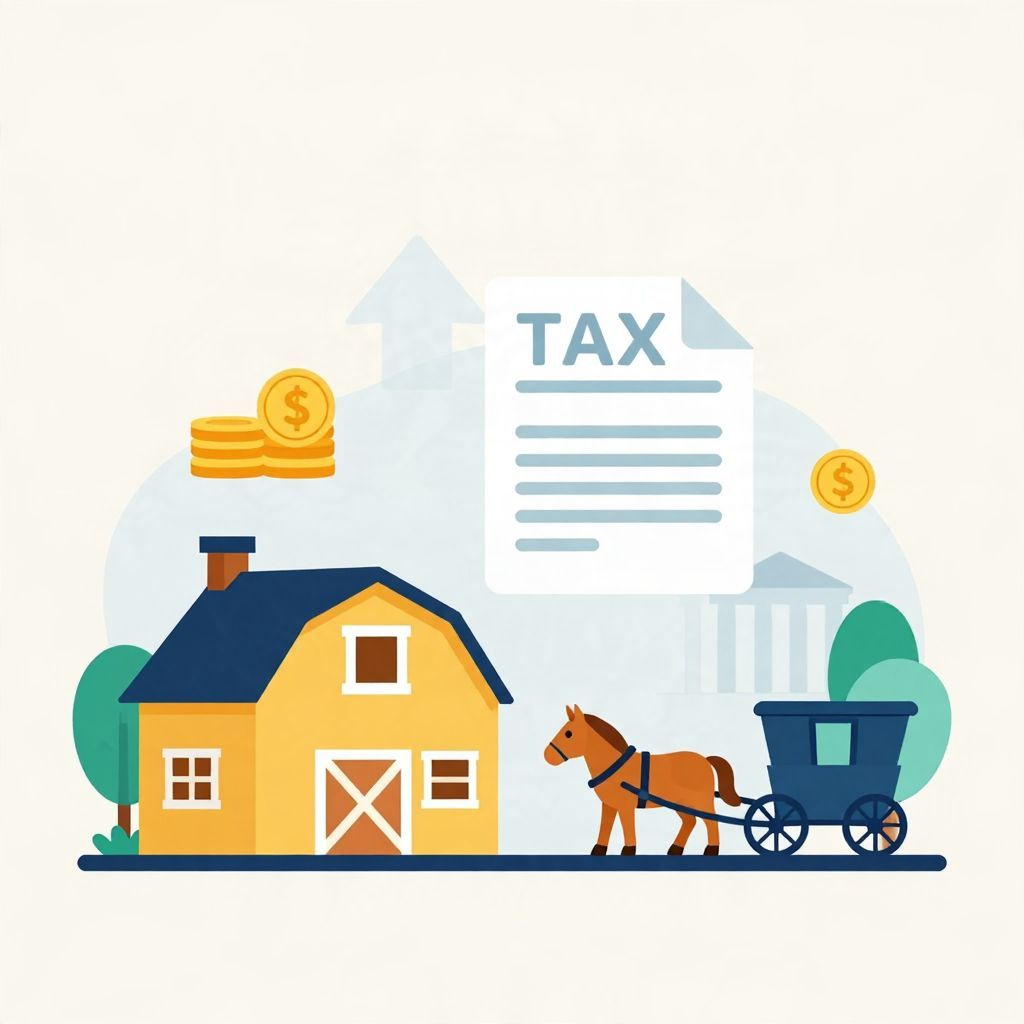
If you’re asking, “Do Amish people pay taxes?” the short answer is yes, in many cases they do. Amish individuals and Amish-owned businesses generally pay the same federal, state, and local taxes as other residents, but some specific taxes and programs can be affected by religious beliefs, income type, or legal exemptions.
The details depend on the country, state, and the kind of tax involved. In the United States, the Amish may qualify for certain exemptions in limited situations, but they are not broadly exempt from taxes just because of their faith.
Do Amish People Pay Taxes?
Yes. Amish people typically pay income taxes, property taxes, sales taxes, and business taxes just like other Americans. However, some may qualify for exemptions from Social Security and Medicare taxes if they meet specific legal and religious requirements, and some local rules may affect how certain taxes apply.
Which Taxes Do Amish People Usually Pay?
Most Amish households and businesses still interact with the tax system. The exact mix depends on how they earn money, own property, and operate businesses.
Income taxes
Amish people who earn taxable income generally must file and pay income tax like anyone else. This can include income from farming, carpentry, woodworking, construction, produce sales, or other self-employment activities. If they have enough income to meet filing thresholds, they usually must report it.
Property taxes
If an Amish family owns land, a home, or other taxable real estate, property taxes usually apply. These taxes are based on local rules, assessed property value, and the jurisdiction where the property is located. Owning farmland does not automatically remove the tax bill.
Sales taxes
When Amish people buy taxable goods or services, they may pay sales tax depending on the state or local area. This can apply to tools, materials, vehicles, household items, and other purchases, unless a specific exemption exists.
Business taxes
Many Amish communities run small businesses. Those businesses may owe taxes on profits, payroll, or sales depending on how they are structured. A sole proprietorship, partnership, or other business form can change the filing requirements, but it does not eliminate tax obligations.
Are Amish People Exempt From Social Security and Medicare Taxes?
Sometimes, but only in limited cases. In the United States, some Amish individuals may qualify for an exemption from Social Security and Medicare taxes if they are self-employed, belong to a recognized religious group with longstanding opposition to public insurance, and meet the legal requirements for exemption. This is not automatic and does not apply to everyone.
Even when an exemption applies, it usually comes with trade-offs. A person who opts out may not receive certain future Social Security or Medicare benefits based on that covered work. Because these rules are legal and situation-specific, it is important to understand the consequences before assuming an exemption is available.
Why Do Some People Think Amish People Don’t Pay Taxes?
This belief often comes from a misunderstanding of Amish lifestyle choices. Because Amish communities are private, rural, and often use cash-based business practices, people may assume they are outside the tax system. In reality, they still live under the same general tax laws as other residents.
Another reason for confusion is that some Amish people do not participate in certain government programs for religious reasons. That can create the impression that they are “tax-free,” but that is not accurate. Avoiding a benefit program is not the same as avoiding taxes.
How Amish Business Owners Handle Taxes
Amish-owned businesses often operate in practical, straightforward ways, but they still need to keep records and comply with tax rules. A small shop, farm, or construction business may need to track income, deductible expenses, and any required filings.
Common tax responsibilities for Amish businesses
- Reporting business income
- Tracking deductible business expenses
- Paying self-employment tax when required
- Collecting and remitting sales tax if the business sells taxable goods or services
- Handling payroll taxes if the business has employees
For example, if an Amish carpenter earns $60,000 in gross business revenue and has $20,000 in ordinary and necessary business expenses, the taxable business profit may be based on the remaining $40,000, subject to the applicable tax rules. The actual tax owed depends on filing status, deductions, credits, and jurisdiction.
Do Amish People Pay Federal Taxes?
In the U.S., Amish people generally pay federal taxes when those taxes apply to their income or property. That can include federal income tax and, in many cases, self-employment tax. Whether a particular person owes tax depends on income level, filing status, exemptions, and the type of earnings involved.
Some federal programs also rely on payroll taxes. If a legal exemption applies, it may affect those specific taxes, but not necessarily income tax. This is why it is important to separate “income tax” from “payroll tax” rather than treating them as the same thing.
Do Amish People Pay State and Local Taxes?
Usually yes. State and local taxes can include income tax, sales tax, property tax, and local business-related taxes. The exact rules vary widely by state and municipality, so an Amish family in one area may face a different tax picture than a family in another area.
For example, some states have no broad state income tax, while others do. Local property tax rates also vary. That means the total tax burden depends more on location and income than on Amish identity alone.
Do Amish People Get Tax Breaks?
They may qualify for some tax relief in specific situations, but there is no blanket “Amish tax break.” Any exemption or special treatment usually comes from a legal rule that applies to certain religious objections or certain types of income, not from a general exemption for all Amish people.
Possible tax advantages can include:
- Exemptions from certain payroll taxes if legal requirements are met
- Standard deductions or business deductions available to all eligible taxpayers
- Farm-related tax treatment that may apply to any qualifying farmer, Amish or not
Possible downsides can include:
- Loss of eligibility for some public benefits tied to payroll contributions
- More recordkeeping for self-employed work
- Tax complexity from farm, trade, or family business income
What About Amish Church or Community Support?
Amish communities often rely heavily on mutual aid, family support, and church-based assistance rather than outside insurance or government programs. That can reduce dependence on some public systems, but it does not replace tax obligations. Mutual aid is a financial practice, not a tax exemption.
This distinction matters because people sometimes confuse private support with legal exemption. A community can be self-reliant and still be fully subject to tax law.
Simple Example: How Taxes Might Work
Here is a simplified example using illustrative numbers only. Suppose an Amish woodworker earns $45,000 in gross business income for the year and has $15,000 in deductible business expenses. That leaves $30,000 in net business profit before considering other deductions or credits.
From there, the person may owe federal income tax, self-employment tax, and possibly state tax, depending on filing rules in that location. If the person qualifies for a legal exemption from certain payroll taxes, that could reduce one part of the bill, but it would not erase all taxes.
This example is only meant to show the difference between gross income and net profit. Actual taxes can be higher or lower depending on deductions, family size, filing status, and local law.
Key Takeaways About Amish Taxes
- Amish people generally do pay taxes.
- They are not automatically exempt from income, property, sales, or business taxes.
- Some may qualify for limited exemptions from Social Security and Medicare taxes if legal requirements are met.
- Tax rules vary by jurisdiction, income type, and business structure.
- Being religiously separate from mainstream society does not mean being outside the tax system.
If you want to understand related tax questions, you may also find Do the Amish Pay Taxes? and Why Do I Owe Taxes? helpful. The main takeaway is simple: Amish people usually do pay taxes, but a few specific exemptions may apply depending on the law and the situation.