
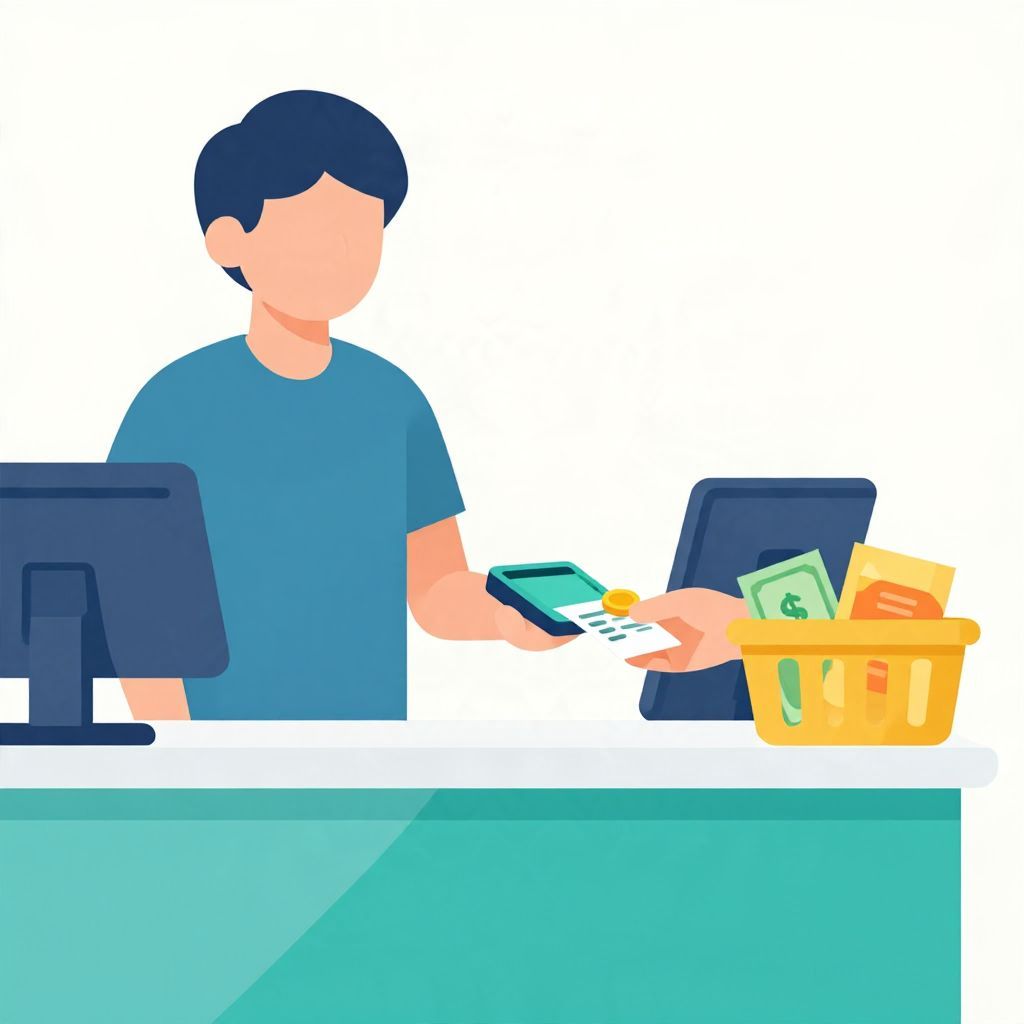
If you’re asking, “Does CVS do cash back?” the short answer is usually yes at many checkout lanes, but the exact amount and availability can depend on the store, payment method, and local policies. Cash back is typically tied to debit card purchases, not credit cards.
Before you rely on it, it helps to know how CVS cash back works, what limits may apply, and when fees or card rules could affect the transaction. That way, you can plan your purchase and avoid surprises at the register.
Does CVS do cash back?
Yes, CVS often offers cash back on eligible debit card purchases, but the amount you can withdraw may vary by store, region, and payment network. Cash back is generally not the same as a cash advance, and it is usually not available on credit card purchases. Always confirm at the register before you check out.
How CVS cash back usually works
Cash back at CVS is a convenience feature that lets you get extra cash while paying for your items. Instead of making a separate ATM trip, you ask for cash back during checkout and the amount is added to your total purchase.
Typical process at checkout
- Bring your eligible debit card to the register.
- Buy one or more items.
- Tell the cashier how much cash back you want, if the store allows it.
- Confirm the total before approving the transaction.
- Receive your receipt and cash.
The amount of cash back may be limited by the store’s policy or by the card network. Some locations may have a fixed maximum per transaction, while others may adjust based on register settings or cash availability.
Debit card versus credit card
In most cases, cash back at a store checkout works with a debit card and a PIN. Credit cards usually do not work the same way. If you use a credit card, the transaction may be treated as a cash advance, which can trigger fees and a separate interest rate. That is different from ordinary card purchases.
What to expect when asking for cash back at CVS
Because store policies can vary, it is best to treat cash back as a possible convenience rather than a guaranteed service. A cashier may be able to process it, but the register, payment type, or cash drawer may limit the amount.
Common factors that affect approval
- Payment method: Debit cards are the most common option.
- PIN requirement: Some systems require a PIN transaction.
- Store policy: Individual locations may set their own limits.
- Cash availability: The register must have enough bills on hand.
- Network rules: Your card issuer or payment network may affect the transaction.
If you need a specific amount, ask before the cashier finalizes the sale. That is especially important if you are trying to avoid an extra ATM fee or if you need exact bills for a small purchase or payment.
Are there fees for CVS cash back?
Sometimes cash back is free, but fees can depend on your bank, card, or payment method. CVS itself may not charge a separate fee for the service in many cases, but your financial institution could still apply charges depending on how the transaction is processed.
Possible cost differences
- Debit card cash back: Often no separate store fee, but bank rules can vary.
- ATM withdrawal: May involve ATM operator fees or bank fees.
- Credit card cash advance: Often the most expensive option because of fees and interest.
If you are comparing options, cash back at checkout may be cheaper than using an out-of-network ATM. Still, the best choice depends on your bank’s fee schedule and whether the store can provide the amount you need.
How much cash back can you get?
The maximum cash back amount is not universal. It can change based on the store, the payment network, and the cashier system. Some stores offer modest limits, while others may allow larger amounts. Because this can change without notice, it is better to ask at the register than assume a specific number.
Example of how a cash back purchase works
Suppose you buy a $6 item and request $20 cash back. If approved, your debit card transaction total would be $26. You would receive the item plus $20 in cash, and your bank would show a $26 debit, not two separate transactions.
This matters for budgeting because the cash back amount is part of your spending total. If you are tracking expenses, record the full amount, not just the item price.
Why cash back can be useful
Cash back can be a practical tool for everyday money management. It can save time, reduce the need for a separate ATM trip, and help you get small amounts of cash for tips, transit, or local purchases.
Common reasons people use cash back
- To avoid ATM fees
- To get cash during a routine shopping trip
- To withdraw a small amount without making a separate stop
- To keep spending simple when budgeting with cash
For people who prefer cash envelopes or who want to limit card use, store cash back can be a convenient way to stay on track. Just remember that convenience should not lead to extra spending on items you do not need.
Potential downsides and things to watch for
Cash back is useful, but it is not always the best option. Depending on your situation, another method may be cheaper or safer. It helps to understand the trade-offs before relying on it.
Possible drawbacks
- Limited availability: Not every register or location may offer it.
- Lower limits: You may not be able to withdraw as much as you want.
- Debit card only: Credit card use may be costly.
- Security concerns: Carrying cash increases the risk of loss or theft.
- Budgeting temptation: Extra cash can be spent quickly if you do not plan ahead.
If you are trying to manage debt, it is especially important to avoid turning a simple purchase into a costly cash advance. Credit card cash advances often begin accruing interest right away and may carry separate fees, which can make them far more expensive than a debit card transaction.
How to avoid surprises at the register
A few simple steps can help you use cash back smoothly and avoid declined transactions or confusion.
Practical tips
- Ask the cashier whether cash back is available before paying.
- Use a debit card if you want the transaction to function as cash back rather than a cash advance.
- Know your bank’s daily withdrawal limits.
- Check whether your card requires a PIN for cash back.
- Review the receipt to confirm the total amount charged.
If you are traveling or shopping in a different state or country, do not assume the same rules apply everywhere. Payment systems, consumer protections, and store policies can vary by jurisdiction.
Cash back versus ATM withdrawal
Both options give you cash, but they work differently. Cash back happens during a purchase, while an ATM withdrawal is a separate transaction. The cheaper option depends on fees, convenience, and how much cash you need.
Quick comparison
- Cash back at CVS: Convenient if you are already shopping.
- ATM withdrawal: Useful if you need cash without buying anything.
- Credit card cash advance: Usually the least favorable because of fees and interest.
If your goal is to keep everyday banking costs low, it is worth comparing the total cost of each method. A “free” ATM may still be better than buying unnecessary items just to get cash back, while a store cash back option may beat a fee-charging ATM.
Frequently asked questions about CVS cash back
Can you get cash back with a credit card at CVS?
Usually not as standard cash back. A credit card transaction may be processed as a cash advance instead, which can be expensive. Check with your card issuer if you are unsure how your card will handle the transaction.
Does CVS cash back cost anything?
It may not involve a store fee, but your bank or card issuer could still charge fees depending on the transaction type. Debit card cash back is often less expensive than a credit card cash advance.
Is there a minimum purchase for cash back?
Some stores may require a purchase, but the exact minimum can vary. Ask the cashier before paying if you want to know whether your item total qualifies.
What if the store cannot give cash back?
If cash back is unavailable, you may need to use an ATM or another payment method. Availability can depend on the register, the amount requested, or the store’s cash supply.
The bottom line
So, does CVS do cash back? In many cases, yes, especially with a debit card, but the amount and availability can vary by store and payment method. The safest approach is to ask before you pay, confirm any limits, and avoid using a credit card if you want to prevent cash advance fees. For more practical money tips, you may also find it helpful to read related personal-finance guides on everyday spending and banking choices.