
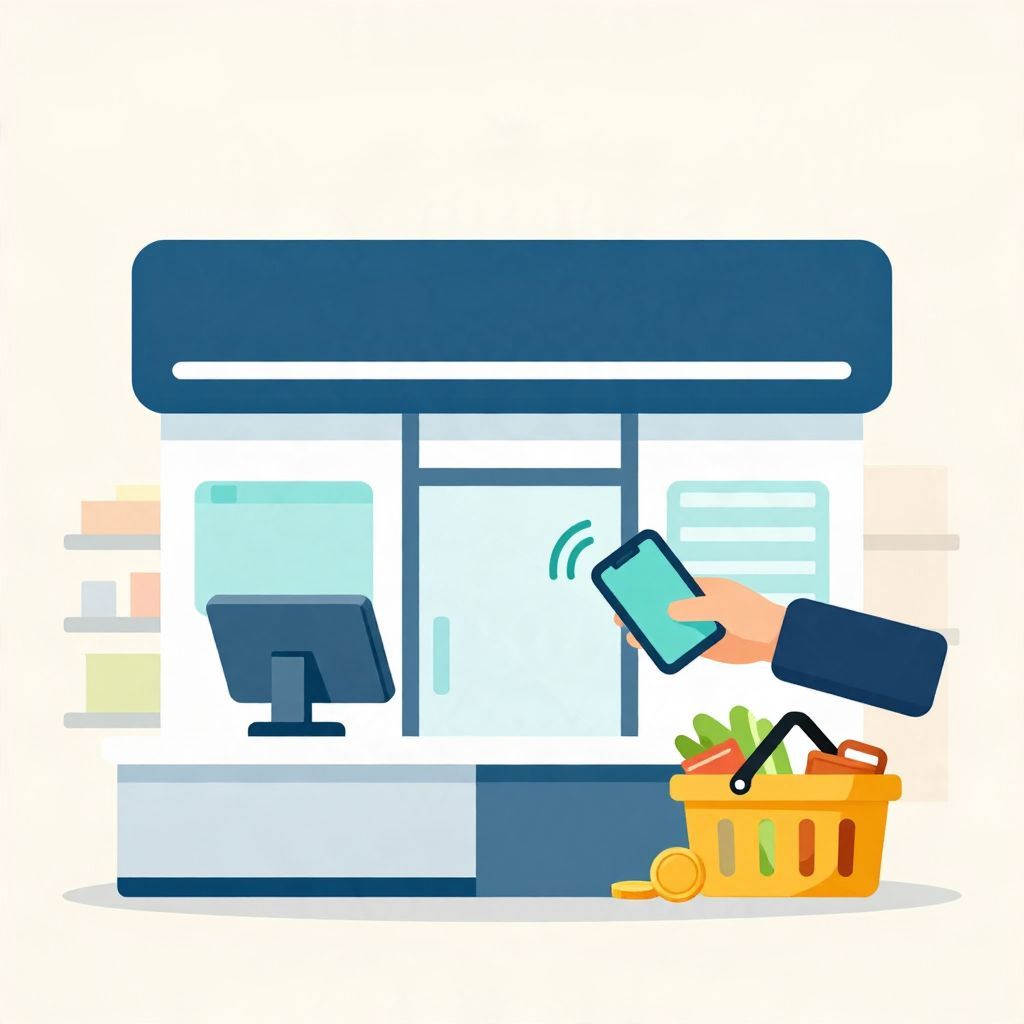
If you’re asking, “Does Dollar General have tap to pay?” the short answer is usually no for standard in-store contactless card or mobile wallet payments. Dollar General’s payment options can vary by store and system updates, so it’s smart to check before you shop if you plan to use Apple Pay, Google Pay, or a tap-enabled card.
That matters if you’re budgeting for a quick convenience purchase and want the fastest checkout method. Below, you’ll find what tap to pay means, what to expect at Dollar General, and practical backup payment options if contactless payment isn’t available.
Does Dollar General Have Tap To Pay?
In most cases, Dollar General does not offer tap to pay at the register for mobile wallets or contactless cards. Availability can differ by location and payment terminal, so the safest approach is to assume tap to pay may not work unless the store clearly shows a contactless symbol or the cashier confirms it.
What “Tap to Pay” Actually Means
Tap to pay usually refers to contactless payments made by holding a card, phone, or smartwatch near a compatible terminal. The transaction uses short-range wireless technology, which can be faster than inserting a chip card or using cash.
Common tap-to-pay methods
- Contactless debit or credit cards
- Mobile wallets such as Apple Pay or Google Pay
- Wearables like smartwatches linked to a card
For shoppers, the benefit is convenience. For stores, the benefit is speed and often less physical handling of cards or cash. But not every retailer supports it, and some stores support it only in certain lanes or locations.
Why Dollar General May Not Support Tap to Pay Everywhere
Retail payment systems are not all the same. A store may use older terminals, a different checkout setup, or a rollout that has not reached every location. Even when a company accepts one type of digital payment in some stores, that does not automatically mean every store supports tap-to-pay transactions.
Reasons support can vary
- Different point-of-sale equipment across locations
- Phased technology upgrades
- Store-specific payment settings
- Temporary outages or terminal issues
This is why it’s better to treat tap to pay as something to verify rather than assume. If you rely on it for budgeting or speed, having a backup plan can save time and frustration at checkout.
How to Tell If Tap to Pay Will Work Before You Shop
If you want to avoid surprises, look for signs that the terminal accepts contactless payments. Many readers check the register display, the card reader, or the payment icons near the checkout lane. If you’re unsure, ask the cashier before your items are scanned.
What to look for at the register
- A contactless payment symbol on the terminal
- Mobile wallet icons such as Apple Pay or Google Pay
- Instructions on the screen that mention “tap,” “contactless,” or “NFC”
- A cashier who can confirm the accepted payment methods
If you are shopping in a hurry, this quick check can prevent a checkout delay. It’s especially useful if you’re trying to stay within a strict spending limit and don’t want to be forced into a less convenient payment method at the last minute.
What Payment Methods Are Usually Safer to Bring as Backup?
Because payment support can vary, it’s wise to carry at least one backup method. That does not mean you need to carry a lot of cash, but it does mean having a second option if contactless payment fails.
Good backup options
- Chip debit or credit card
- Cash for small purchases
- Store-specific payment methods if accepted in your location
From a personal finance perspective, the best backup is the one that fits your budget and spending habits. Cash can help you stay disciplined because you can only spend what you have on hand. A debit card may be more convenient, but it draws directly from your checking account, so overdrafts are a risk if you lose track of your balance.
How This Affects Everyday Spending
Whether a store accepts tap to pay can affect more than convenience. It can influence how quickly you shop, how you track spending, and whether you can use a preferred card for rewards or fraud protection. If you use a credit card, for example, you may want to use it for purchase tracking and potential rewards, but only if the store accepts it in the way you prefer.
Budgeting and payment choice
If you are trying to control small, frequent purchases, the payment method matters. A tap-to-pay purchase is still a purchase, but the speed can make spending feel less noticeable. That can be helpful for efficiency, but it can also make impulse buying easier if you are not paying attention.
One simple budgeting habit is to set a spending limit before you enter the store. For example, if your limit is $25 and you know the store may not accept tap to pay, bring a card or cash that matches your plan. That keeps the payment method aligned with your budget instead of changing your budget at the register.
What to Do If Tap to Pay Does Not Work at Dollar General
If you try to tap and the terminal does not respond, don’t panic. The issue may be the terminal, the card, the phone settings, or the store’s payment setup. The easiest fix is usually to use a chip card or another accepted method.
Simple troubleshooting steps
- Make sure your phone or card is unlocked and ready.
- Hold it near the contactless reader, not the chip slot.
- Try again if the cashier says the first attempt did not register.
- Use a chip card, cash, or another backup method if needed.
If you use a mobile wallet, also check that your default card is active and that your device settings allow contactless payments. These are general troubleshooting steps, not a guarantee, because the store terminal still has to support the feature.
Is Tap to Pay Better Than Card or Cash?
There is no single best payment method for everyone. Tap to pay can be faster and more convenient, but a chip card, debit card, or cash may be more reliable depending on the store. The right choice depends on your goals: speed, budgeting control, rewards, or simplicity.
Pros and cons at a glance
- Tap to pay: fast and convenient, but not always accepted
- Debit card: widely accepted, but spending comes directly from your bank balance
- Credit card: useful for tracking and rewards, but can lead to debt if not paid off
- Cash: helps with strict budgeting, but is less convenient and harder to track digitally
If your main goal is to avoid overspending, cash or a debit card with a set balance may be better than a credit card. If your goal is convenience and recordkeeping, a contactless payment method is useful only when the merchant supports it.
Does Tap to Pay Change Fees or Spending Limits?
Tap to pay itself usually does not create a special fee for the customer, but fees can still depend on the card type, account terms, or the way your bank processes the transaction. For example, a credit card purchase may carry interest if you do not pay the balance in full, while a debit card purchase may trigger overdraft fees if your account is short on funds.
Important money terms to remember
- APR is the annual percentage rate on credit, which affects interest if you carry a balance.
- APY is the annual percentage yield on savings, which is not the same as borrowing cost.
- Overdraft fees may apply if a debit purchase exceeds your available balance, depending on your bank’s rules.
These are not Dollar General-specific charges. They depend on your card issuer or bank, so it’s worth knowing your account terms before you shop.
Practical Shopping Tips If You’re Counting Every Dollar
If you shop at Dollar General to stretch your budget, payment choice can support that goal. The most useful habit is to decide how much you want to spend before you leave home and choose a payment method that helps you stick to it.
Budget-friendly checkout habits
- Make a short shopping list before entering the store.
- Set a maximum amount for the trip.
- Bring a backup payment method in case tap to pay is unavailable.
- Review your receipt right away to catch errors or unexpected purchases.
A contactless payment method can be convenient, but convenience should not replace planning. If you are trying to reduce impulse purchases, slowing down at checkout can actually help you spend less.
The Bottom Line
So, does Dollar General have tap to pay? Usually not as a standard option, though payment support can vary by store and terminal. If you plan to shop there, bring a backup method such as a chip card or cash, and check the register before assuming contactless payment will work.
If you want to compare related payment options, you may also find Does Dollar General Accept Apple Pay? and How to Tap to Pay With Cash App helpful for planning your next checkout.