
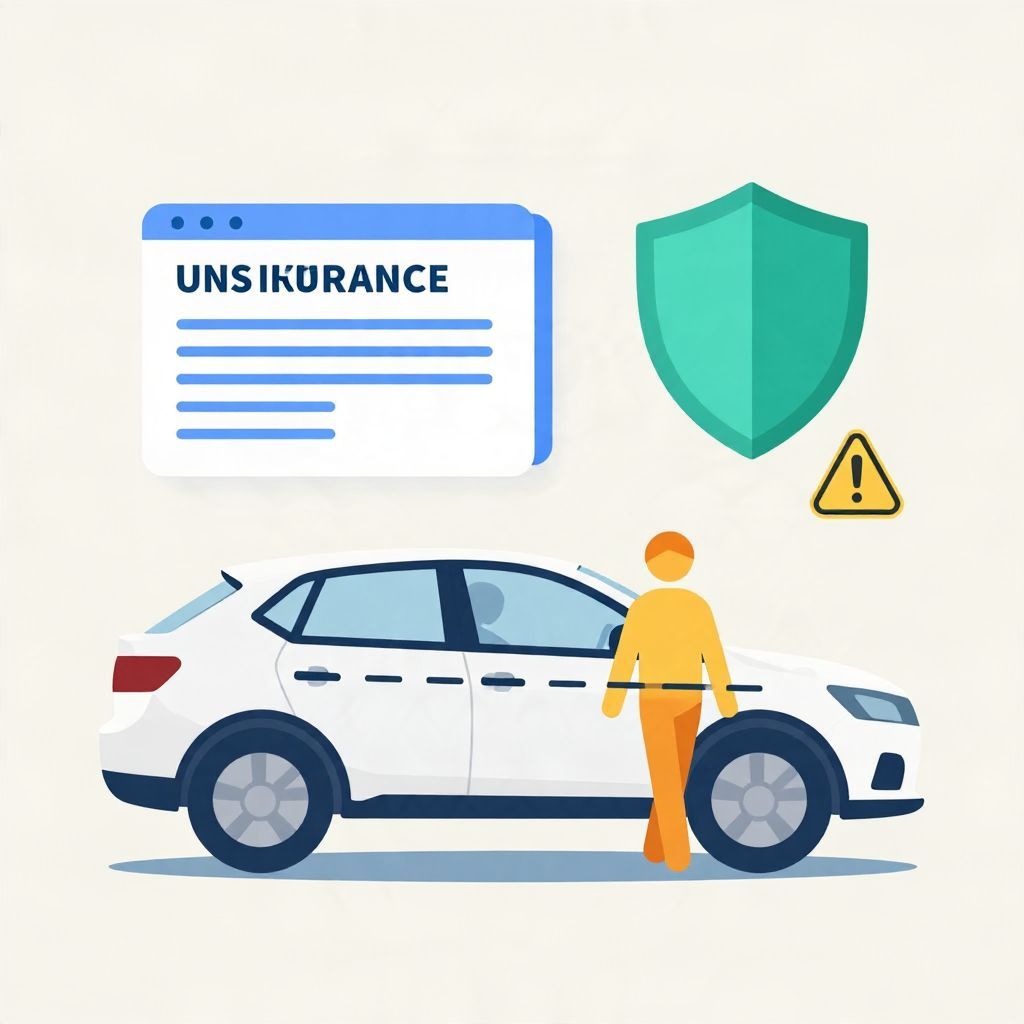
If you’ve seen the term excluded driver on an auto insurance policy, it means that a specific person is not covered to drive that vehicle under that policy. If that excluded person gets behind the wheel and causes an accident, the insurance company may deny coverage for the damage or injuries related to that driver.
This is an important insurance detail because it can affect claims, liability, and even whether a policy stays valid. The exact rules vary by insurer and location, but the basic idea is the same: an excluded driver is intentionally left off the policy’s protection for that car.
What does excluded driver mean?
An excluded driver is someone named on an auto insurance policy as not covered to operate the insured vehicle. In practical terms, the insurer is saying, “We will not insure this person while they are driving this car.” If that person drives anyway, any resulting claim may be denied, and the policyholder could be left paying costs out of pocket.
How an excluded driver works in auto insurance
Insurance companies sometimes allow a policyholder to exclude a driver to reduce risk and, in some cases, lower the premium. This usually happens when the driver has a poor driving record, too many claims, a suspended license, or another factor that makes them expensive to insure. The exclusion is typically written into the policy and must be understood clearly by the policyholder.
Why insurers use driver exclusions
- Higher risk: The driver may have accidents, violations, or other risk factors.
- Premium control: Excluding a high-risk driver can sometimes reduce the policy cost.
- Policy underwriting: The insurer may be willing to cover the car only if that person is not allowed to drive it.
What happens if the excluded driver drives anyway?
If an excluded driver uses the vehicle and causes a crash, the insurer may refuse to pay for repairs, medical bills, or liability claims tied to that event. Depending on the circumstances and local rules, the policyholder may also face cancellation or nonrenewal. In some places, the consequences can be severe enough to create major financial exposure.
Common examples of an excluded driver
It helps to see how this works in real life. These examples are illustrative, not universal, because policy terms and state or country rules can differ.
Example 1: A teenager with a poor driving record
Suppose a parent insures a family car, but their teenager has multiple speeding tickets or an at-fault accident history. The insurer may require the teen to be excluded from the policy. If the teen drives the car and crashes it, the claim may not be covered.
Example 2: A household member with a suspended license
If someone in the home is not legally allowed to drive, an insurer may exclude that person from the policy. The policyholder must then make sure that person does not operate the vehicle. If they do, the policy may not respond to the loss.
Example 3: A former driver who still has access to the car
Sometimes an ex-spouse, roommate, or adult child is excluded because they no longer live in the household or are no longer intended to drive the car. Even if they have access to the keys, they are not covered under the policy if they are listed as excluded.
Excluded driver vs. listed driver vs. permissive driver
These terms can sound similar, but they mean very different things in insurance.
- Listed driver: A person named on the policy who is generally covered to drive the insured vehicle, subject to policy terms.
- Excluded driver: A person specifically removed from coverage for that vehicle.
- Permissive driver: Someone not named on the policy who may be covered in certain situations if the policy allows occasional use.
The key difference is that an excluded driver is not just “not listed”; they are specifically barred from coverage. That is much stricter than simply being an occasional driver.
Why someone might agree to exclude a driver
Policyholders sometimes agree to an exclusion because it may be the only way to keep the policy active or affordable. This can be a practical solution when the insurer is unwilling to cover a high-risk driver on the same policy as everyone else.
Possible advantages
- May reduce the premium compared with insuring the high-risk driver.
- Can help keep coverage in place for the rest of the household.
- May satisfy underwriting requirements when the insurer otherwise would not offer coverage.
Possible downsides
- No coverage if the excluded driver uses the car.
- Greater out-of-pocket risk after an accident.
- Potential policy problems if the exclusion is violated.
Important financial risks to understand
From a personal finance perspective, an excluded driver can create a large uninsured loss. A crash can lead to repair bills, medical expenses, legal claims, towing, rental costs, and lost income. If the insurer denies the claim, the policyholder may have to pay these costs themselves.
Illustrative cost example
Imagine a crash causes $8,000 in vehicle damage and $20,000 in liability claims. If the excluded driver was behind the wheel, the insurer may deny coverage. That means the potential financial exposure could be $28,000 or more, before legal fees or other costs. This is only an example; actual losses can be much higher or lower.
How to know if a driver is excluded
The exclusion should be written in the policy documents or endorsement. If you are unsure, review the declarations page, exclusions section, or any signed forms. If needed, ask the insurer or agent to explain the policy in plain language. Do not assume a person is covered just because they are a family member or live in the same home.
Questions to ask your insurer
- Who exactly is excluded from coverage?
- Does the exclusion apply to all vehicles on the policy or only one?
- What happens if the excluded person drives in an emergency?
- Will the policy be canceled or nonrenewed if the exclusion is violated?
- Can the exclusion be removed later, and what would that require?
Does an excluded driver affect liability and claims?
Usually, yes. If the excluded driver causes an accident, the insurer may deny both property damage and liability coverage tied to that driver. That means injured third parties, repair shops, and the policyholder may all be affected. The exact outcome depends on the policy language and local insurance law, which can vary by jurisdiction.
Why jurisdiction matters
Insurance rules are not identical everywhere. Some states or countries may have specific requirements about how exclusions must be signed, disclosed, or enforced. Because of that, the same exclusion can have different practical effects depending on where the policy is written. If the issue is important, it is wise to confirm the policy terms under the applicable local rules.
Can an excluded driver ever be covered?
In most cases, no. That is the point of the exclusion. However, policy wording can vary, and some situations may involve separate policies, different vehicles, or legal exceptions. Never assume there is coverage unless it is clearly stated in the policy or confirmed in writing by the insurer.
What to do if you are listed as an excluded driver
If you find out you are excluded, the safest step is to avoid driving the vehicle. You may also want to explore whether another policy, a different vehicle arrangement, or a revised household setup makes more sense. If you are the policyholder, consider whether the exclusion still fits your needs or whether it creates too much financial risk.
Practical steps
- Read the exact exclusion language.
- Confirm which vehicle or vehicles are affected.
- Make sure all household members understand the restriction.
- Ask the insurer how the policy would respond if the excluded driver used the car in an emergency.
- Review whether the policy still provides enough protection for your budget and risk tolerance.
Bottom line: what does excluded driver mean?
An excluded driver is a person specifically barred from coverage under an auto insurance policy. If they drive the insured vehicle, the insurer may deny the claim, leaving the policyholder responsible for the costs. Because the financial risk can be significant, it is important to understand the exclusion before anyone gets behind the wheel.
If you want to learn more about how auto insurance coverage works in everyday situations, you may also find does insurance follow the car or the driver and how car leasing works helpful for related context.