
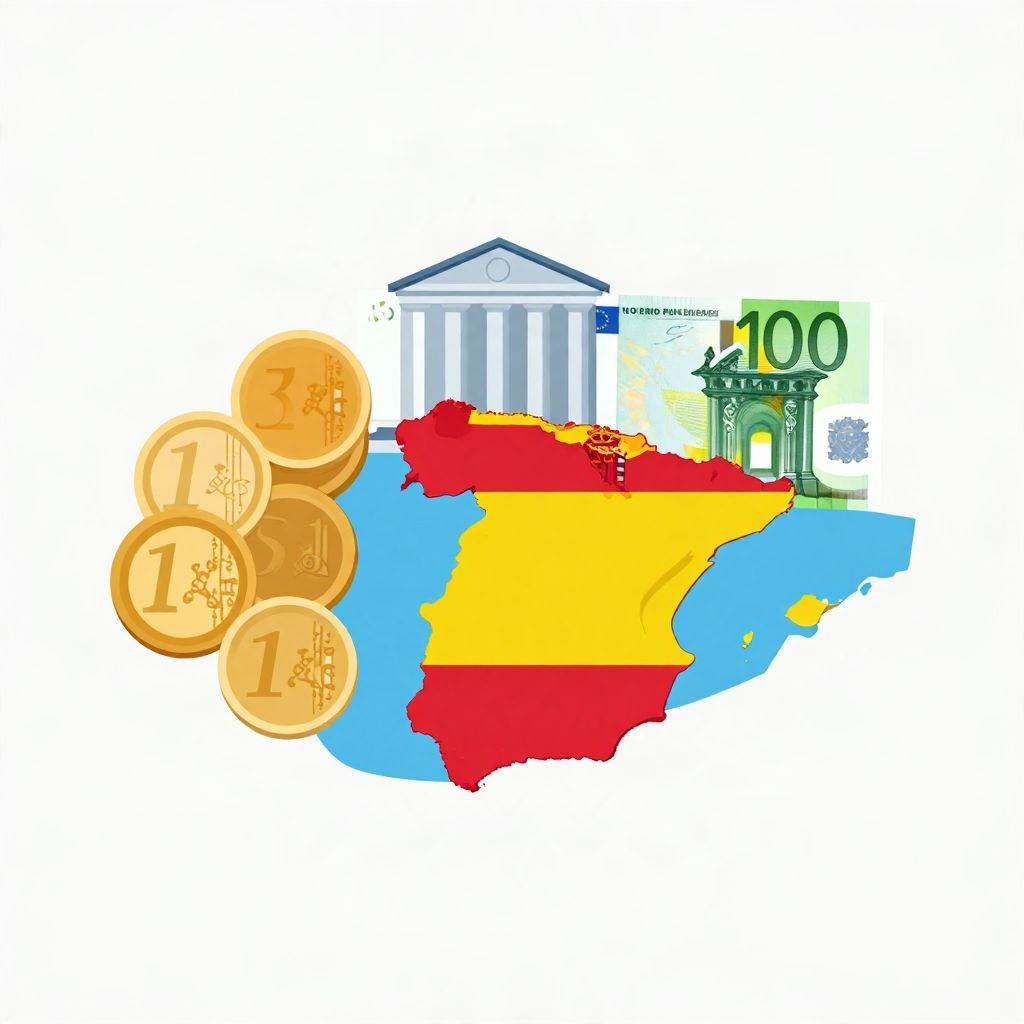
If you’re asking what is the currency in Spain, the answer is simple: Spain uses the euro. It is the official currency for everyday purchases, banking, travel spending, and most prices you’ll see in the country.
Whether you’re budgeting for a trip, comparing exchange rates, or planning payments in Spain, knowing the currency helps you understand costs more clearly. Below, you’ll find a straightforward explanation of the euro, how it is used in Spain, and practical examples.
What Is The Currency In Spain?
Spain’s official currency is the euro, written as EUR and symbolized by €. One euro is divided into 100 cents. If you are visiting Spain or making payments there, prices are usually shown in euros, and cash or card transactions are settled in that currency.
Understanding the Euro in Spain
Why Spain uses the euro
Spain is part of the euro area, so it uses the common currency shared by many European countries. This makes cross-border travel and trade easier within the region because prices, wages, bank accounts, and payments can be handled in the same currency across participating countries.
What the euro looks like in practice
In daily life, you may see euro prices written in a few different ways:
- €10 means ten euros
- €2.50 means two euros and fifty cents
- 15 EUR is another way to show fifteen euros
In stores, restaurants, hotels, and transport services, the euro is the standard unit for pricing. If you use a foreign card, your bank or card issuer may convert the amount into your home currency, often with a conversion fee or exchange-rate markup.
Examples of Using Euros in Spain
Everyday spending examples
Here are simple examples of how euro prices might appear in Spain. These are illustrative, not live prices:
- A coffee: €2.00
- A sandwich: €6.50
- A subway or bus ticket: €1.50 to €3.00
- A museum entry: €10 to €20
If you are budgeting, it helps to think in euros first, then convert to your home currency only if needed. That makes it easier to compare prices and avoid confusion from fluctuating exchange rates.
Example of currency conversion
Suppose you want to estimate the cost of a €75 hotel stay in your home currency. The conversion depends on the exchange rate and any card or exchange service fees.
Illustrative formula: euro amount × exchange rate = estimated home-currency amount
If the exchange rate were 1 euro = 1.10 of your home currency, then:
€75 × 1.10 = 82.50
So the stay would cost about 82.50 in your home currency before fees. In real transactions, the final amount may be higher because of foreign transaction charges or a less favorable exchange rate from your bank.
Cash, Cards, and Payments in Spain
Can you use cash?
Yes. Cash in euros is widely accepted in Spain for small purchases, tips, and places that prefer physical payment. Common euro banknotes include €5, €10, €20, €50, €100, €200, and €500, though larger notes may be less convenient for everyday use.
Can you use debit or credit cards?
Cards are commonly used in Spain, especially in cities, hotels, restaurants, and larger shops. However, acceptance can vary by merchant, and some smaller businesses may prefer cash or have a minimum card payment amount. If you are traveling, it is wise to carry a small amount of cash as backup.
What to watch for with foreign cards
If your card is issued outside the euro area, your provider may charge:
- Foreign transaction fees
- Currency conversion markups
- ATM withdrawal fees
These charges vary by bank, card type, and location. Before traveling, check your card terms so you understand the total cost of spending abroad.
How the Euro Affects Travel Budgeting
Planning a budget in Spain
When you budget for Spain, use euros as your base currency. That helps you estimate daily spending for food, transport, lodging, and entertainment without constantly recalculating.
A simple budgeting approach is:
- Estimate your daily expenses in euros
- Multiply by the number of days you will stay
- Add a buffer for fees, emergencies, or price changes
For example, if you expect to spend €60 per day for 7 days, your base budget is €420. If you want a 10% cushion for unexpected costs, add €42, bringing the estimated total to €462.
Exchange rates can change your budget
Exchange rates move over time, so the amount you spend in your home currency can change even if prices in Spain stay the same. That is why a trip budget should be treated as an estimate, not a guarantee. If your home currency weakens, Spain may cost more for you; if it strengthens, your trip may cost less.
Currency and Banking in Spain
Opening or using a bank account
If you live in Spain or stay long enough to need local banking, accounts are typically denominated in euros. That means deposits, withdrawals, transfers, and bill payments are handled in EUR. This can reduce conversion costs if you regularly earn or spend in Spain.
International transfers
Sending money to or from Spain may involve exchange rates, transfer fees, and processing times. The total cost depends on the provider and the currencies involved. When comparing transfer options, look at both the fee and the exchange rate, because a low fee can still come with a poor conversion rate.
Simple transfer example
If you send €500 from one euro account to another euro account, the transfer may avoid currency conversion entirely. But if you send money from a non-euro account, your provider may convert the amount first. In that case, the final cost depends on the rate used and any service charges.
Common Questions About Spain’s Currency
Is the euro the only currency used in Spain?
For official transactions, the euro is the standard currency in Spain. Some tourist-oriented businesses may quote prices in other currencies for convenience, but payments are normally made in euros unless a merchant specifically offers another option.
Can you pay in dollars or pounds in Spain?
Usually, no. Most businesses expect payment in euros. A few tourist services may accept foreign currency, but the exchange rate may be unfavorable. In general, it is better to pay in euros or use a card that converts currency transparently.
Are coins and notes both used?
Yes. Spain uses euro coins and euro banknotes. Coins are especially useful for small purchases, vending machines, public transport, and tips. Banknotes are more practical for larger expenses.
Helpful Tips for Spending in Spain
- Check the exchange rate before you travel so you have a rough idea of costs.
- Keep a mix of cash and card for flexibility.
- Review your bank’s foreign fees before using your card abroad.
- Choose euros when paying by card if your provider offers dynamic currency conversion, since paying in local currency is often clearer and may be cheaper.
- Save receipts if you need to track travel spending or dispute a charge later.
Bottom Line
The answer to what is the currency in Spain is the euro, or EUR. It is the official currency used for everyday spending, banking, and travel across Spain. If you are budgeting for a trip or managing money there, think in euros first and then convert to your home currency only when needed. For more travel-currency basics, you may also find what currency Puerto Rico uses and what is the currency in Greece helpful.