
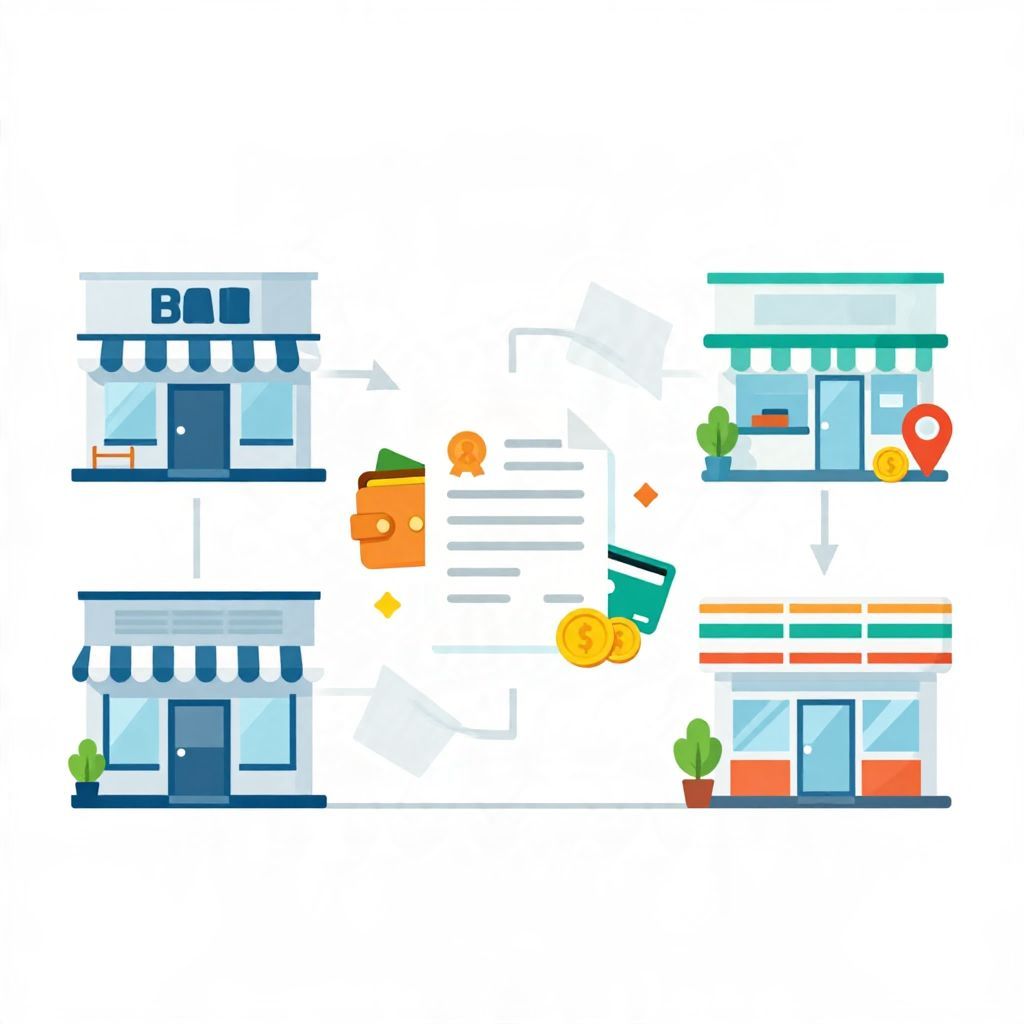
If you need a money order, the quickest places to check are banks, credit unions, post offices, grocery stores, pharmacies, convenience stores, and some check-cashing or money transfer locations. Availability, fees, and purchase limits vary by provider and by country or state, so it helps to call ahead before you go.
In most cases, you can buy a money order with cash, and sometimes with a debit card. They are often used for rent, bills, mail payments, and other situations where a personal check or card is not accepted.
Where To Get Money Orders Near Me?
You can usually get a money order at a bank, credit union, post office, grocery store, pharmacy, convenience store, or money transfer outlet. The best option depends on the fee, the maximum amount allowed, the payment methods accepted, and how convenient the location is for you.
What Is a Money Order?
A money order is a prepaid paper payment instrument. You pay the amount upfront, plus a fee, and the recipient can deposit or cash it like a guaranteed payment from the issuer. Because the funds are prepaid, money orders are often accepted when a personal check is not.
Why people use money orders
- To pay rent or utility bills when a landlord or company does not accept cards
- To send money securely through the mail
- To make a payment without sharing a bank account number
- To pay in situations where cash is not practical
Common Places to Buy a Money Order
Banks and credit unions
Many banks and credit unions sell money orders to customers, and some may also serve non-customers. This can be a convenient option if you already have an account, but fees and availability differ by institution.
Post offices
Postal services in many countries offer money orders, often with clear limits and standard fees. This is a common choice for people who want a government-backed or widely recognized payment method, though the exact rules depend on the postal system in your country.
Grocery stores and supermarkets
Some grocery chains sell money orders at the customer service desk or checkout lane. This can be useful if you want to combine the trip with regular shopping, but not every store offers the service.
Pharmacies and convenience stores
Large pharmacy chains and convenience stores sometimes sell money orders. These locations may be easy to reach, but they can have lower limits, limited hours, or extra service fees compared with a bank or post office.
Check-cashing and money transfer locations
Check-cashing businesses and money transfer outlets often sell money orders. They may be convenient if you need extended hours, but fees can be higher than at other providers. Always compare the total cost before buying.
How to Find Money Orders Near You
If you are searching for where to get money orders near me, the fastest approach is to check nearby branches and stores that commonly offer them, then confirm by phone or website before leaving home.
- Search maps or business listings for money order providers near your location.
- Call the store or branch and ask whether they sell money orders.
- Ask about the fee, maximum purchase amount, and payment methods accepted.
- Confirm the hours, since some locations only provide the service during certain times.
- Bring identification if required by the provider.
Questions to ask before you go
- Do you sell money orders?
- What is the fee?
- What is the maximum amount per money order?
- Can I pay with cash, debit card, or both?
- Do I need an ID?
- Can I get a receipt or tracking number?
What Information You Need to Buy One
Most providers ask for the exact payee name, the amount, and your payment. Some may also require your name and address, especially for larger amounts or anti-fraud checks. Requirements vary by provider and jurisdiction.
Typical steps at the counter
- Write the recipient’s name correctly
- Enter the amount carefully
- Pay the face value plus the fee
- Keep the receipt in a safe place
Be careful when filling it out. A money order that is lost, altered, or completed incorrectly may be harder to replace or refund.
Fees, Limits, and Payment Methods
Money order costs are not the same everywhere. The fee can depend on the issuer, the amount, and the location. Some places have lower fees but stricter limits, while others charge more for convenience or extended hours.
Things that can change the total cost
- Issuer fee: the service charge added to the amount you send
- Purchase limit: the maximum value allowed per money order
- Payment method: cash is often accepted; debit card is sometimes accepted; credit cards are less common
- Location: fees can vary by store, branch, or country
If you need to send a larger amount, you may need multiple money orders. That can mean paying multiple fees, so compare the total cost with other payment methods.
Money Order vs. Cashier’s Check vs. Personal Check
These payment methods are similar in purpose but different in how they work. A money order is prepaid and usually easier to obtain than a cashier’s check. A cashier’s check is typically issued by a bank and may be used for larger transactions. A personal check draws from your own account and may be rejected if funds are not available.
Quick comparison
- Money order: prepaid, usually smaller amounts, widely available
- Cashier’s check: bank-issued, often used for larger payments, may require a bank account
- Personal check: convenient if accepted, but payment depends on your account balance
For many everyday bills and smaller payments, a money order can be a practical middle ground between cash and a bank check.
Safety Tips When Using Money Orders
Money orders can be safer than mailing cash, but they are not risk-free. Treat them like cash until they are delivered and processed.
Ways to protect yourself
- Buy only the amount you need
- Keep the receipt until the payment clears
- Fill in the recipient’s name immediately
- Do not leave blank spaces that could be altered
- Use a traceable mailing method if you send it by mail
If a money order is lost or stolen, recovery rules depend on the issuer. Some providers offer a replacement process, but it may take time and may involve a fee or proof of purchase.
When a Money Order May Not Be the Best Choice
Money orders are useful, but they are not always the cheapest or fastest option. If you already have a bank account and the recipient accepts electronic payments, ACH transfers, bill pay, or a debit card may be simpler. For larger payments, a cashier’s check or bank transfer may be more appropriate.
Possible downsides
- Fees can add up if you need several money orders
- Purchase limits may be too low for larger bills
- Replacement can take time if the money order is lost
- Not every business accepts them
Best Way to Choose a Nearby Provider
If you are comparing nearby options, focus on four things: convenience, fee, limit, and reliability. The cheapest provider is not always the best if it is far away or has limited hours. Likewise, the closest store may not be ideal if it charges more or does not sell the amount you need.
A simple decision checklist
- Choose the nearest provider that actually sells money orders.
- Compare fees for the amount you need.
- Confirm the payment method accepted.
- Check whether you need identification.
- Keep the receipt after purchase.
Key Takeaway
If you are asking where to get money orders near me, start with banks, credit unions, post offices, grocery stores, pharmacies, convenience stores, and money transfer locations. Call ahead to confirm fees, limits, and hours, then bring the correct payee name and payment method. If you also need help with other payment options, you may find it useful to read about where to cash a personal check and whether CVS does cash back.