
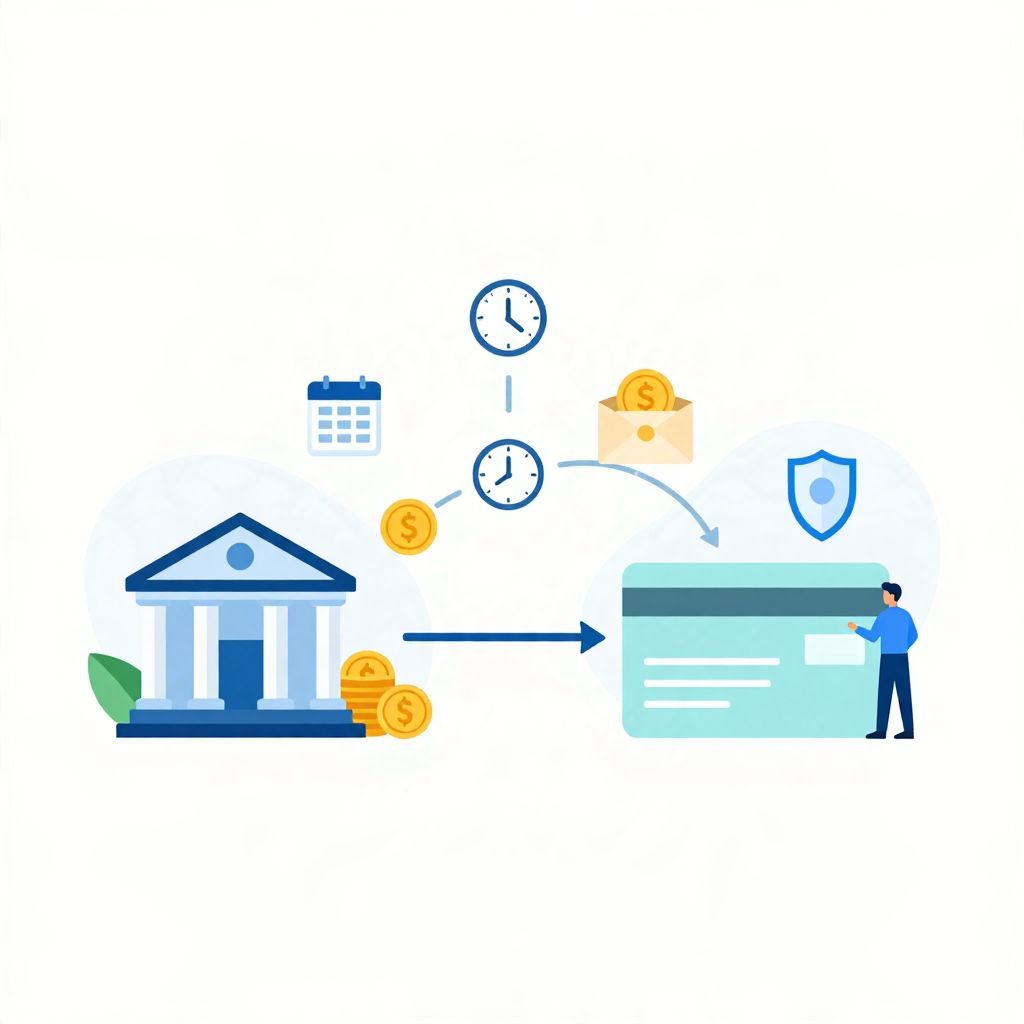
If you’re wondering what are the benefits of using direct deposit, the short answer is convenience, speed, and fewer payment hassles. Instead of waiting for a paper check, your paycheck, benefits, or other recurring payments can go straight into your bank account automatically.
That can make budgeting easier, reduce the chance of lost or delayed payments, and help you access money faster. Direct deposit is common for payroll, government benefits, tax refunds, and some business payments, but the exact timing and availability depend on the payer and your bank.
What Are The Benefits Of Using Direct Deposit?
Direct deposit is an electronic payment method that sends money directly into your bank account. Its main benefits are faster access to funds, less risk of lost checks, simpler budgeting, and less time spent depositing money manually. For many people, it is also more secure and more convenient than paper checks.
What Direct Deposit Means
Direct deposit means a payer transfers money electronically to your checking or savings account using banking networks. You usually provide your account number and routing information, and the payment goes in on a scheduled date. The money is not physically handed to you, and you do not need to visit a bank branch to receive it.
Common examples of direct deposit
- Paychecks from an employer
- Government benefits such as retirement or disability payments, depending on the country and program
- Tax refunds where electronic refund deposit is available
- Freelance or contractor payments from clients or platforms that support bank transfers
- Recurring transfers such as certain reimbursements or allowances
Main Benefits of Direct Deposit
1. Faster access to your money
One of the biggest advantages is speed. With direct deposit, funds can arrive on payday without you needing to wait for mail delivery or a branch visit. In some cases, the money may appear in your account earlier than a paper check would be available, but timing is not guaranteed and depends on the payer, bank processing, and local banking rules.
2. Less risk of lost or stolen checks
Paper checks can be misplaced, delayed, damaged, or stolen. Direct deposit reduces those risks because the payment is sent electronically. That does not eliminate all risk, but it removes many of the common problems associated with physical checks.
3. Easier budgeting and bill payment
When money arrives automatically on a predictable schedule, it is easier to plan rent, utilities, debt payments, and savings transfers. This is especially helpful if you use a budget based on payday timing. Knowing when income will land in your account can make cash flow more stable.
4. More convenience
Direct deposit saves time. You do not have to deposit a check in person, use a mobile deposit app, or wait for a check to clear before spending the money. That convenience can matter a lot if you are busy, travel often, or do not live near a branch.
5. Lower chance of payment delays
Mail delays, office closures, and manual processing can slow down paper payments. Direct deposit helps reduce those delays because the transfer is electronic. While delays can still happen, especially if account details are wrong, the process is usually more efficient than paper-based payment methods.
6. Potentially better recordkeeping
Bank statements usually show direct deposits clearly, which can make it easier to track income for budgeting, taxes, or loan applications. This is useful if you need to prove income or review your cash flow over time.
7. Helpful for automatic saving
Direct deposit can make saving easier if you split your paycheck between accounts. For example, you might send part of each payment to checking for spending and part to savings for emergencies. This can support consistent saving without relying on manual transfers every month.
How Direct Deposit Works
To set up direct deposit, you usually give the payer your bank account details. In many cases, you need your account number, routing number, and account type. Some payers may also ask for a voided check or a direct deposit form from your bank.
- Open a checking or savings account if you do not already have one.
- Collect your bank’s routing number and your account number.
- Complete the payer’s direct deposit form or online setup.
- Confirm whether the deposit should go to checking, savings, or split between accounts.
- Wait for the first deposit to process and verify that it arrived correctly.
Example of a paycheck deposit
Suppose your gross pay is $2,500 for the pay period. After taxes, insurance, and retirement contributions, your net pay might be $1,850. Direct deposit usually sends the net pay, not the gross amount, into your account. The exact deductions depend on your employer, location, and elections.
Direct Deposit vs. Paper Check
Both methods can get money to you, but they work differently. Direct deposit is generally faster and more convenient, while paper checks give you a physical document you can deposit or cash. The better choice depends on your needs and the payment source.
- Direct deposit: automatic, electronic, usually faster, less paper handling
- Paper check: physical, may take longer to receive and clear, can be lost or stolen
If you prefer simple money management, direct deposit often has the edge. If you do not have a bank account, or if a payer does not offer electronic deposit, a paper check may still be necessary.
Are There Any Downsides?
Yes, there can be a few trade-offs. Direct deposit is usually helpful, but it is not perfect. Understanding the downsides can help you avoid problems.
Possible drawbacks
- Bank account required: You need an eligible account to receive the funds.
- Setup errors can cause delays: A wrong account or routing number may send money to the wrong place or bounce the payment.
- Less flexibility for some people: If you change banks often, you may need to update payroll or payment details.
- Timing is not always exact: Deposits can still be delayed by processing issues, holidays, or payer policies.
There can also be fees in some situations, though many standard bank accounts do not charge simply for receiving direct deposits. Fee rules vary by bank and account type, so it is worth checking the terms before you set it up.
Who Benefits Most From Direct Deposit?
Direct deposit is especially useful for people who want predictable income timing and less payment friction. It can be a strong fit for employees, retirees, freelancers with regular clients, and anyone trying to automate budgeting.
It may be especially useful if you:
- Want your paycheck available quickly
- Need to pay bills on a fixed schedule
- Want to reduce the risk of lost checks
- Prefer automatic saving or split deposits
- Travel often or cannot easily visit a bank
What to Check Before Setting Up Direct Deposit
Before you enroll, make sure your banking details are accurate. Small mistakes can create big delays. It is also smart to understand how your bank handles deposits, holds, and account access.
- Confirm your routing number and account number
- Check whether the deposit should go to checking or savings
- Ask how long the first deposit may take to activate
- Review whether your bank charges any account maintenance fees
- Keep a record of the setup form or confirmation
Direct Deposit and Financial Planning
Direct deposit can support better financial habits because it creates a predictable flow of money. That predictability can help you build an emergency fund, avoid late fees, and stay on top of debt payments. It can also make it easier to automate transfers to savings or retirement accounts, depending on your employer or bank options.
For example, if your net pay is $1,850 every two weeks, you might set an automatic transfer of $100 into savings after each deposit. That would total $200 per month in a typical two-paycheck month. This is only an illustration, but it shows how direct deposit can make saving more consistent without requiring extra effort each payday.
Bottom Line
The benefits of using direct deposit are mainly convenience, speed, security, and easier money management. It can help you receive payments faster, reduce check-related problems, and make budgeting and saving simpler. If you want to understand related banking basics, you may also find how to set up a bank account and what is a check register useful as next steps.